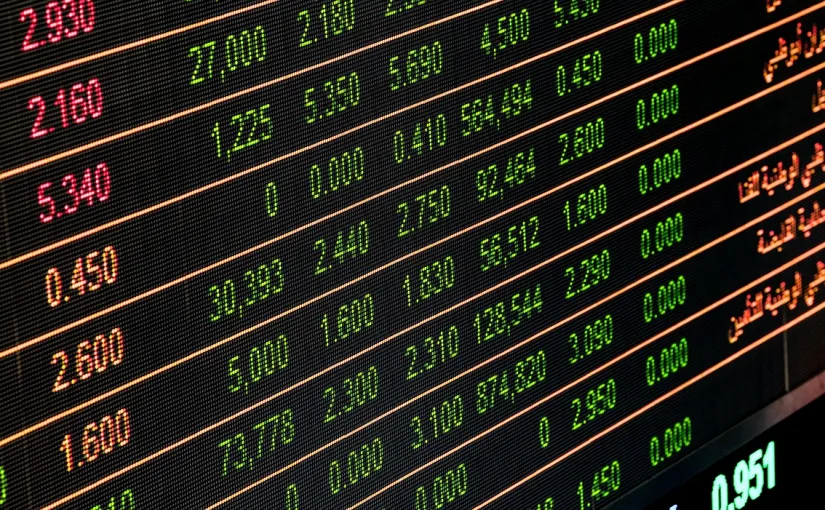
Termes de base du trading : Lot, Pips, EMA, Gap, Spread et Swap - Ce qu'il faut savoir pour réussir en trading

Do you want to become a successful trader but aren’t sure where to start? In the world of trading, there are many terms that may seem confusing at first glance. That’s why we’ve prepared an overview of the most important ones to help you better understand how financial market trading works. In this article, we will focus on essential terms such as lot, pips, exponential moving average (EMA), gap, spread, and swap. These concepts are the building blocks for every trader, and understanding them will help you navigate trading more effectively and develop a profitable strategy.

Lot: Trade Size

A lot is the basic unit used to determine the size of a trade in the forex market. It represents the quantity of the currency being traded, and there are three main types of lots:

  1. Standard lot: 100,000 units of the base currency.
  2. Mini lot: 10,000 units of the base currency.
  3. Micro lot: 1,000 units of the base currency.

The lot size directly affects the profit and loss in a trade. The larger the lot you use, the greater the potential profit, but also the higher the risk of loss.

Pips: Price Movement

A pip, short for “percentage in point,” represents the smallest price change in the forex market. It is typically the fourth decimal place in a currency pair’s exchange rate (e.g., 0.0001). For some currency pairs, like USD/JPY, a pip is at the second decimal place (e.g., 0.01).

Pips are crucial for calculating the profit or loss of a trade. For instance, if the price of the EUR/USD currency pair rises from 1.1000 to 1.1020, it means a movement of 20 pips.

Exponential Moving Average (EMA): A Tool for Tracking Trends

The Moving Average is one of the most widely used indicators in technical analysis. There are several types of moving averages, and one of the most well-known is the Exponential Moving Average (EMA), which gives more weight to recent data.

EMA helps traders identify market trends—when the price stays above the EMA, it could indicate an uptrend, while if the price remains below the EMA, it may suggest a downtrend. EMA is often used for buy and sell signals, particularly when different timeframes of EMA cross over (e.g., EMA 50 and EMA 200).

Gap: Price Gap

A gap is a situation where the market’s opening price significantly differs from the closing price of the previous period. Gaps are most commonly seen when the market opens after the weekend or after a significant event that affects the market (e.g., the release of economic reports).

Gaps can offer valuable trading opportunities, but they can also be risky since unexpected price movements often occur. Proper understanding and management of gaps can help traders predict where the market might move next.

Spread: Trading Costs

The spread is the difference between the bid and ask prices of a currency pair. It represents the basic cost a trader pays to the broker for each trade. The spread can be fixed or variable, and its size varies depending on market liquidity and the chosen broker.

For instance, in the EUR/USD currency pair, the spread might be 1 pip, meaning the difference between the bid and ask price is 0.0001. The spread is one of the factors that affect trading profitability—the lower the spread, the lower the cost of opening and closing a position.

Swap: Interest Charges

A swap is an interest charge that is either credited or debited from a trader’s account for holding a position overnight. This charge results from the difference in interest rates between the currencies in the traded currency pair. The swap can either be positive (credited as profit) or negative (charged as a cost), depending on the direction of your position and the interest rates.

For example, if you hold a long position on a currency pair where the base currency has a higher interest rate than the quote currency, you may receive a positive swap. Conversely, if the interest rate is lower, the swap will be debited from your account.

Conclusion

Understanding basic terms like lot, pip, EMA, gap, spread, and swap is essential for successful trading in financial markets. These concepts help you better understand how trades work, the costs involved, and how to effectively analyze the market. With these tools, you can better manage risks and develop your own trading strategies that bring you closer to success.

Trading is about continuous learning and improvement, and understanding these terms gives you a solid foundation on which to build. In a prop trading firm like Monevis, this knowledge is key to making the most of the capital the firm provides and achieving maximum profits.
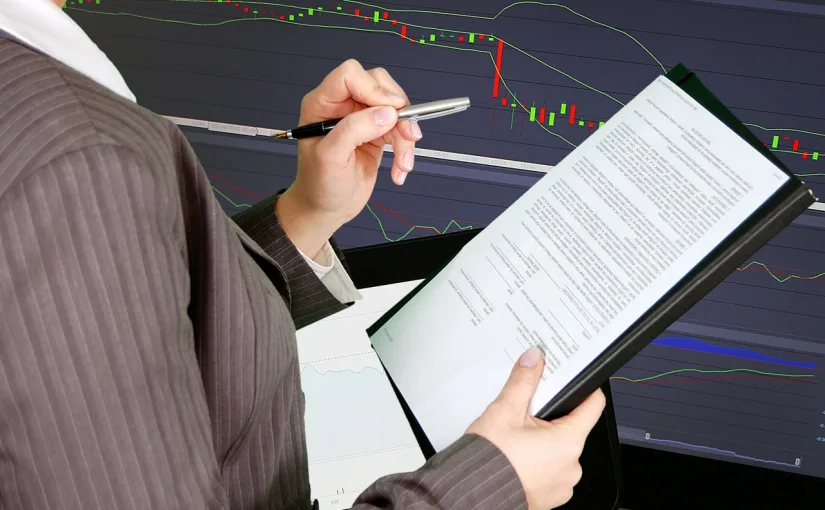
Pourquoi les fondamentaux sont cruciaux pour réussir sur le Forex : Ce qu'ils signifient et comment les suivre

Fundamental analysis is a key component of successful trading and investing in the forex market. It monitors macroeconomic and microeconomic factors that affect currency values. Unlike technical analysis, which focuses on historical price movements, fundamental analysis evaluates the intrinsic value of assets and economic contexts, helping predict long-term trends.

Why Track Fundamentals?

Tracking fundamentals provides a deeper understanding of why prices are rising or falling. It’s not just about reacting to chart signals but understanding the real reasons behind currency movements. Monitoring fundamental factors allows traders to make more informed decisions, avoid losses from sudden market moves, and spot opportunities that might otherwise be missed.

What Do Individual Fundamentals Mean?

1. Gross Domestic Product (GDP)

GDP is a key indicator of a country’s economic growth. High GDP growth typically signals economic prosperity, which can increase the value of a national currency. Conversely, a GDP decline may indicate recession and weakening currency.

2. L'inflation

Inflation measures the rise in prices of goods and services over time. When inflation rises, it often leads to higher interest rates as central banks seek to curb excessive spending. This can affect currency markets—rising inflation means a decrease in purchasing power, which may reduce the attractiveness of a currency.

3. Taux d'intérêt

Interest rates are one of the most important fundamental indicators for forex markets. Higher rates can attract more foreign investors seeking higher returns, increasing demand for the currency and its value. Conversely, rate cuts may weaken the currency.

4. Unemployment

The unemployment rate is another key indicator of economic health. Low unemployment means the economy is functioning at a high level, boosting consumer confidence and supporting currency growth. High unemployment, on the other hand, may lead to reduced consumption and a weakening economy.

5. Payments and Trade Balance

The trade balance shows the difference between a country’s exports and imports. A trade surplus (more exports than imports) typically strengthens a currency, while a deficit weakens it. This factor is crucial for assessing economic performance in an international context.

6. Geopolitical Situation

Political stability or uncertainty has a major impact on the markets. For example, political crises, conflicts, or election uncertainty can destabilize an economy and weaken a currency. On the other hand, stability can enhance the attractiveness of investments in the region.

How to Incorporate Fundamentals into Strategy?

Fundamentals must be tracked regularly and combined with technical signals. Economic event calendars are important tools that provide an overview of upcoming news and its potential impact on the markets. Successful traders don’t wait for announcements—they prepare their positions in advance and analyze how the market may react to news.

Monitoring and understanding fundamental factors provides a deeper perspective and ensures decisions are not made solely based on short-term price fluctuations but with regard to the market’s long-term potential. Thus, fundamental analysis is essential for success as it helps identify value and growth potential, giving traders a competitive edge.

Conclusion

For successful forex trading, it’s essential to track and understand the fundamental factors that influence currency values. This analysis allows for better insight into why the market reacts the way it does and how best to use these reactions to your advantage. Do not underestimate the importance of fundamentals—incorporate them into your trading strategy to ensure your approach is as comprehensive and effective as possible.

Le Forex et les autres marchés : Les principales différences à connaître pour investir avec succès

Forex, commodities, indices, cryptocurrencies, CFDs… If you are just starting out in trading, these terms may seem like a confusing mix. Let’s take a closer look at these concepts so you can better understand what each market offers and what their unique characteristics are.

Forex: The Largest Global Financial Market

Forex (Foreign Exchange Market) is the market for currencies, where different currency pairs like EUR/USD or USD/JPY are traded. Forex is the largest and most liquid market in the world, with an average daily trading volume exceeding $6 trillion. The goal of Forex traders is to profit from fluctuations in exchange rates between currencies. Due to its high liquidity, transactions are executed very quickly, allowing for both short-term and long-term trading.

Commodities: Trading Essential Raw Materials

Commodities include essential raw materials crucial for the global economy, such as oil, gold, wheat, or silver. These markets are mainly driven by supply and demand—when there is a shortage of oil, its price usually rises. Trading commodities can be attractive to investors looking to hedge against inflation or respond to macroeconomic events, such as natural disasters or political conflicts that may affect the supply of these resources.

Indices: Tracking Market Performance

Indices represent a group of stocks and measure the performance of a specific market or sector. For example, the S&P 500 tracks the 500 largest publicly traded companies in the United States. Trading indices allows investors to speculate on the movement of an entire market, which can be less risky than trading individual stocks because it diversifies risk. Indices reflect investor sentiment and economic conditions in different regions.

Cryptocurrencies: The Digital Revolution

Cryptocurrencies are digital or virtual currencies that use cryptography to secure transactions. Bitcoin is the most well-known of them, but there are many others, such as Ethereum, Ripple, or Litecoin. Cryptocurrency markets are characterized by high volatility and are attractive to traders interested in fast and dramatic price changes. They are also independent of traditional financial institutions and represent a new approach to financial transactions.

CFDs: Trading Various Markets with a Single Instrument

CFDs (Contracts for Difference) are financial instruments that allow traders to speculate on the price movement of different assets (currencies, commodities, indices, cryptocurrencies) without owning the underlying asset. CFDs allow leveraged trading, meaning that with relatively little capital, you can control a larger position. While this can significantly increase potential profits, it also raises the risk of losses. CFD trading is popular due to its flexibility and the ability to speculate on both rising and falling markets.

Which Market Is Right for You?

When deciding which market to focus on, it is important to consider your strategy, risk tolerance, and knowledge of a particular market. Forex may be attractive to those who enjoy high liquidity and quick transactions, while commodities are ideal for investors who want to diversify their portfolios and protect against inflation. Cryptocurrencies appeal to more daring traders looking to take advantage of high volatility, while CFDs provide the opportunity to speculate across multiple markets using a single instrument.

Each of these markets has its unique advantages and risks, so it is essential to stay informed and carefully consider which one is right for you.

L'avidité dans le trading : L'ennemi d'un trader prospère

L'avidité dans le trading : L'ennemi d'un trader prospère

1. Introduction: Greed as a Natural Human Trait

Greed is one of the oldest human traits, and it can lead to reckless decisions, especially in situations involving money. In trading, greed can be particularly dangerous, as markets are volatile and constantly shifting. A trader who succumbs to greed risks losing not only money but also control over their strategy. Whether you’re a professional or a beginner, greed can be an invisible adversary undermining success. The goal of every trader should be to recognize and control this emotion, ensuring it doesn’t become an obstacle to long-term profitability.

2. How Greed Manifests in Trading

Greed often manifests in trading in several key ways, all of which can negatively impact trading results:

  • Holding positions for too long: When a trader opens a position and the market moves in their favor, greed can tempt them to hold the position longer than is safe. The hope of securing even bigger profits may backfire when the market reverses direction, turning gains into losses. For example, ignoring a predetermined exit point to chase higher profits can lead to the loss of both gains and, potentially, capital.
  • Overconfidence after a winning streak: Traders who experience several consecutive profitable trades may become overconfident, believing they have an “unbeatable” strategy. This overconfidence often leads to reckless increases in trade size or abandoning the original trading plan altogether. The outcome is typically disastrous, as markets are unpredictable, and no strategy is infallible.
  • Neglecting risk management: Greedy traders often disregard the basic principles of risk management. They may add to losing trades, attempting to “rescue” a position, which is a major mistake. Instead of acknowledging the loss and closing the position, they continue to risk more of their capital.

3. The Negative Impact of Greed on Trading Performance

Long-term trading success depends not only on technical analysis and a solid strategy but also on psychological discipline. Greed is an emotion that can disrupt this balance. Here are some of the main consequences of greed:

  • Loss of discipline: Trading success lies in sticking to a plan. However, greed often causes traders to improvise, abandoning their strategy in favor of chasing immediate, higher profits. Ultimately, the loss of discipline leads to poor decisions, which can be irreparable.
  • Increased risk of losses: When traders ignore their plans and aim to maximize profits, they automatically increase their risk. For example, if a trader increases the size of their position beyond what was initially planned, even a minor market correction can wipe out a significant portion of their capital. By sticking to the original plan, traders could have secured stable, but reasonable, profits.
  • Psychological pressure and stress: Beyond financial losses, greed creates mental strain. A trader constantly chasing profits and refusing to close positions experiences stress that can negatively affect both physical and mental health. Trading should be as rational a process as possible, but under the influence of greed, it becomes an emotional rollercoaster that drains energy.

4. How to Avoid Greed in Trading

Greed can’t be entirely avoided, but it can be controlled. Here are some techniques to help traders manage their emotions and trade rationally:

  • Maintain discipline: The foundation of successful trading is strict adherence to a trading plan. When a trader has pre-set entry and exit points, they should stick to them, regardless of how tempting it might be to hold a position for longer. Respecting your strategy, even when the market looks enticing, is crucial.
  • Set realistic goals: Traders should have clear objectives for each trade – how much they are willing to risk and what profit they expect. Realistic and consistent goals ensure that trading isn’t just about chasing maximum profits but is a balanced activity with manageable risks.
  • Self-reflection and trade analysis: After each trading day or week, it’s helpful to review trades. Where did the trader make mistakes? What emotions were at play? Self-reflection is a key step in improving not only the technical aspects of trading but also emotional management.

5. Conclusion: Balancing Profit and Emotional Control

Successful traders understand that trading is about long-term stability, not quick riches. Greed can be tempting, but its consequences are often destructive. In trading, it’s essential to maintain control over emotions and make rational decisions. No matter the phase of the market, a trader who understands their limits and sets firm boundaries will ultimately succeed over time.

Risques associés aux opérations de change

Trading in the forex market can be exciting and potentially profitable, but it comes with its own set of risks. To trade successfully, it’s essential to understand and manage these risks effectively. Here’s an overview of the key risks involved in forex trading and some tips on how to mitigate them:

1. Volatility Risk

Description: The forex market is highly volatile, with currency prices fluctuating rapidly due to factors like economic events, political changes, or global crises. This can result in both significant gains and swift losses.
Tip: Use stop-loss orders to automatically close positions when the market moves against you, helping to limit potential losses in the event of unexpected price swings.

2. Leverage Risk

Description: Leverage allows you to control large positions with relatively small capital. While this can magnify profits, it also increases the risk of large losses. Even minor adverse movements can result in substantial financial damage.
Tip: Use leverage cautiously and ensure you never invest more than you can afford to lose. By using leverage wisely, you can better manage the risks associated with it.

3. Liquidity Risk

Description: Although the forex market is usually highly liquid, there are moments—especially during volatile periods or with less-traded currency pairs—where executing trades at your desired price can be difficult.
Tip: Stick to trading major currency pairs, which tend to have higher liquidity and narrower spreads, reducing the risks linked to insufficient liquidity.

4. Emotional Risk

Description: Trading can be mentally challenging, often triggering emotions like fear, greed, or frustration. These emotions can impair decision-making, leading to impulsive trades and losses.
Tip: Develop a clear trading plan with defined entry and exit rules. Stick to this plan, and practice emotional discipline to avoid making impulsive decisions driven by market fluctuations.

5. News and Event Risk

Description: External factors such as economic news and political events can drastically affect the forex market, sometimes causing rapid and dramatic price shifts.
Tip: Regularly monitor economic calendars and news that could influence the market. Develop a strategy for trading around key events to be prepared for any potential volatility.

6. System Risk

Description: Trading with ineffective or inaccurate systems can result in significant losses. It’s crucial to have a robust and reliable trading strategy.
Tip: Test your strategy using a demo account or historical data to evaluate its performance across different market conditions before applying it in live trades.

Conclusion

Forex trading offers many opportunities, but understanding and managing its risks is essential to long-term success. Always trade cautiously, invest only what you can afford to lose, and continue to educate yourself and refine your trading strategies. By planning carefully and maintaining discipline, you can minimize risks and improve your chances of success in the forex market.

Monevis : Le voyage vers $200 000 euros de gains

Monevis: The Journey to $200,000 in Payouts – What It Means for Our Traders

In the world of prop trading, every success of our traders is also a success for the entire company. Today, we are proud to announce that Monevis has reached a significant milestone: we have surpassed $200,000 in payouts to our traders. This milestone is not just a number – it reflects our collective effort, the trust our traders place in us, and our vision for the future.

From Vision to Reality – The Story of Monevis

As the name suggests, Monevis combines two key values – Money et Vision. When CEO Miloš Mošovský founded this company, he had a clear goal: to create a platform that not only provides traders with room to grow but also helps each individual fully realize their potential.

Thanks to our approach, Monevis quickly became a trusted partner for ambitious traders looking to make their mark in the financial markets. We have built a community where growth and improvement are not only encouraged but essential for achieving success.

$200,000 in Payouts: What Does This Mean for Our Traders?

This milestone is more than just a number. Behind every dollar we’ve paid out is a story – the story of traders who chose to believe in themselves, their skills, and our platform. Our firm is focused on ensuring that each trader has fair conditions for growth. Whether it’s through our flexible support or payout structure, we always prioritize the traders.

Reaching $200,000 in payouts is clear proof that our model works and that traders who work hard can achieve financial independence. For us, it’s not just about profit – it’s about growth and long-term success.

What’s Next for Us?

While we’re incredibly proud of this milestone, we know this is just the beginning. Our vision for Monevis extends far beyond $200,000. We plan to expand our services to equip our traders with even better tools and support for their growth. We aim to continue building a community that is not only successful but also inspiring to anyone entering the world of trading.

Why Do Traders Choose Monevis?

When we look at why traders are drawn to Monevis, the key factors are clear:

  1. Flexible Growth Conditions – Our traders have the opportunity to grow according to their abilities, without unnecessary limitations.
  2. Communauté et soutien – We are more than just a company; we are a community that supports its members at every step of their journey.
  3. Paiements – We emphasize fair and transparent payout terms, which is now reflected in the $200,000 milestone we have achieved together.

10 documentaires incontournables sur le trading

As the chilly autumn evenings set in, it’s the perfect time to relax and immerse yourself in the world of film. If you’re interested in trading or want to learn more about the fascinating world of finance, we have a great list of movies for you. Each evening, you can enjoy a different trading film, and here are our top picks from Monevis. Get ready for thrilling stories, dramatic twists, and inspirational lessons.

1. Inside Job
This award-winning documentary directed by Charles Ferguson takes a detailed look at the causes and consequences of the 2008 financial crisis. “Inside Job” explores corruption and unethical practices in the banking sector and reveals how the financial elite sought to protect their interests at the expense of the public. The film offers an in-depth view of the systemic problems that led to the economic crisis and is essential viewing for anyone interested in finance.

2. Boiler Room
“Boiler Room” is a dramatic film that focuses on the world of aggressive trading and unethical practices within a brokerage firm. The main character, played by Giovanni Ribisi, is a young trader who gets caught up in the world of fraudulent trading, where stock prices are manipulated, and investors are deceived. The film provides an intense look at the moral dilemmas and pressures traders face in their pursuit of success.

3. Moneyball
While “Moneyball” doesn’t focus directly on trading, it showcases the power of data analysis and strategic thinking. The story follows a baseball team manager who uses analytical methods to improve his team’s performance. The film offers valuable lessons on utilizing data and analytics in decision-making, which can inspire traders and investors to adopt innovative approaches.

4. The China Hustle
The documentary “The China Hustle” reveals how some Chinese companies exploited American regulations and investors for fraud and financial manipulation. The film explores how these frauds harmed investors and how the loss of billions of dollars was made possible by lax oversight and inadequate regulation. This documentary provides an important look at how global financial markets can be vulnerable to fraudulent practices.

5. Margin Call
This star-studded 2011 film, featuring actors like Kevin Spacey and Jeremy Irons, takes place over 24 hours at an investment bank at the onset of the 2008 financial crisis. The story follows a young analyst, played by Zachary Quinto, who is the first to uncover an impending disaster that could bankrupt his bank. The film captures the bank’s efforts to offload toxic assets onto other investment banks, allowing the bank to survive but deepening the crisis on a larger scale. “Margin Call” is a tense and realistic portrayal of the crisis that rocked global markets.

6. Rogue Trader
“Rogue Trader” is based on true events and tells the story of Nick Leeson, who caused the collapse of the British Barings Bank in 1995. Ewan McGregor plays the lead role, showing how Leeson, using his arbitrage system, ignored risks and concealed massive losses. His decision to hold long positions and cover up losses led to a devastating downfall that brought one of the oldest British banks to the brink of collapse. This film is not only thrilling but also provides a valuable look at the consequences of unethical trading practices.

7. Owning Mahowny
“Owning Mahowny” is a dramatic film based on the true story of a bank fraudster with a gambling problem. The main character, a bank manager with access to millions of dollars, gets into deep trouble and commits the largest bank fraud in Canadian history. The film depicts not only his unethical actions but also the personal struggles and psychological impacts that led to his downfall. “Owning Mahowny” offers a fascinating look at how losing control and a desire for gambling can lead to incredible problems.

8. Enron: The Smartest Guys in the Room
This documentary is based on the 2003 book and analyzes one of the largest corruption scandals in American history. “Enron: The Smartest Guys in the Room” traces the rise and fall of the energy company Enron, which falsified accounting and engaged in unethical trading, leading to its collapse. The documentary is backed by testimonies from former employees and journalists, showing how large corporations can crumble due to corruption and fraud.

9. Trading Places
After a series of intense dramas, take a break with the comedy “Trading Places.” This 1983 film focuses on a role swap between a young commodities trader and a street hustler. Two wealthy millionaires enjoy an experiment where they switch the lives of these two men, leading to many comedic situations. “Trading Places” is a great way to have fun while also reflecting on social differences and the impact of money on individuals.

10. The Big Short
“The Big Short” provides a deep insight into the mortgage crisis of 2008. With a star-studded cast, including Christian Bale, Ryan Gosling, and Brad Pitt, the film tells the story of four investors who predicted and bet on the collapse of the mortgage market. The film vividly depicts how these individuals faced misunderstanding and stress while their bets on the financial crisis ultimately proved correct. “The Big Short” is not only dramatic but also informative, highlighting the importance of analytical thinking and belief in one’s strategies.

Conclusion
These films and documentaries offer not only great entertainment but also valuable lessons and insights into the world of trading and finance. Whether it’s dramatic stories of financial crises, analytical looks at trading strategies, or comedies about social differences, this list provides a wide range of stories and inspiration. Enjoy the autumn evenings with these fascinating films and gain new insights into trading and finance.

Les erreurs les plus courantes dans le backtesting des stratégies de trading

Les erreurs les plus courantes dans le backtesting des stratégies de trading

Le backtesting devrait être un élément essentiel de l'élaboration d'une stratégie de trading efficace pour tous les traders. Bien que le processus puisse sembler simple, il y a souvent des erreurs qui peuvent fausser les résultats et entraîner des pertes réelles sur les marchés.

Aujourd'hui, nous allons examiner les erreurs à éviter lors des backtests afin que votre stratégie ne devienne pas un gouffre financier pour votre compte de trading.

Règles de base avant de commencer le backtesting

Avant de commencer, il est essentiel de fixer quelques règles de base. Le backtesting doit être réalisé sur un échantillon de données historiques le plus large possible. Il est également essentiel d'avoir un plan de trading prédéfini et des règles claires de gestion des risques que vous suivrez pendant le test.

La diligence porte ses fruits

Tout comme pour la tenue d'un journal de trading, il est important d'enregistrer méticuleusement vos résultats lors des backtests. Une fois les tests terminés, vous devez procéder à une analyse approfondie afin d'optimiser les paramètres clés de la stratégie, tels que le ratio risque/récompense (RRR), le drawdown maximal et le taux de réussite des transactions.

Erreurs courantes dans le backtesting

  1. Utiliser des données futures : L'une des principales erreurs consiste à utiliser des données qui ne seraient pas disponibles en temps réel. Cela peut conduire à des résultats faussés car vous simulez des décisions basées sur des informations qui n'auraient pas été accessibles à ce moment-là.
  2. La sur-optimisation : Une autre erreur fréquente consiste à essayer d'ajuster la stratégie de manière à ce qu'elle fonctionne parfaitement sur les données historiques. Or, cela conduit à une stratégie "sur-optimisée" qui risque de ne pas fonctionner dans un environnement de trading réel.
  3. Ignorer les conditions réelles du marché : Si les émotions n'ont pas d'influence sur le backtesting, elles jouent un rôle important dans le trading réel. De nombreux traders ne tiennent pas compte des coûts, des spreads et du slippage, ce qui peut affecter considérablement les résultats finaux.
  4. Mauvais timing : Il arrive souvent que des opérations rentables aient été exécutées dans le cadre d'un backtesting à des moments où vous n'étiez pas présent sur le marché. En outre, des mouvements de marché importants peuvent se produire après la publication de données économiques clés, qu'il n'est pas toujours possible de saisir dans le cadre d'une négociation réelle.
  5. Sous-estimer la dynamique du marché : Le marché est un organisme vivant qui évolue constamment. Ce qui a fonctionné il y a quelques années peut ne plus fonctionner aujourd'hui. Il est essentiel de tenir compte de ce facteur et d'adapter vos tests aux conditions actuelles du marché.

Conclusion

Lorsqu'il est effectué correctement, le backtesting peut devenir un outil précieux pour développer une stratégie commerciale solide qui vous convient et sur laquelle vous pouvez compter. Toutefois, il ne faut pas surestimer les résultats du backtesting. Rappelez-vous qu'il s'agit d'un outil qui vous aide à comprendre le passé, mais qui ne prédit pas l'avenir. En suivant les procédures appropriées et en évitant les erreurs mentionnées dans cet article, vous pouvez augmenter considérablement vos chances de réussite sur les marchés. Négociez sagement !

Vous n'avez pas besoin d'être parfait pour être un trader rentable

Vous n'avez pas besoin d'être parfait pour être un trader rentable

De nombreux traders sur le marché des changes pensent souvent que pour atteindre une rentabilité à long terme, leur stratégie doit être parfaite, y compris des entrées et des sorties parfaitement synchronisées. Cependant, paradoxalement, trop se concentrer sur la perfection peut conduire au résultat exactement inverse.

Les traders débutants sont souvent à la recherche de ce que l'on appelle le "Saint Graal" - une stratégie qui garantit le succès 100%. Cependant, il est largement reconnu qu'une telle stratégie n'existe pas. Le problème auquel sont confrontés de nombreux traders est qu'ils s'efforcent continuellement de créer la stratégie idéale qui produira le plus grand nombre de transactions rentables. Or, cette approche peut s'avérer non seulement contre-productive, mais aussi financièrement épuisante.

La perfection peut être un obstacle à la réussite

Un vieux dicton dit que "la perfection est l'ennemie du bien". Cette phrase souligne que la recherche de la perfection peut être inutile, voire nuisible, car la perfection absolue n'existe tout simplement pas. Ce principe s'applique également à la négociation. Essayer d'affiner une stratégie jusqu'à la perfection conduit souvent à la frustration et à la stagnation, car les marchés sont dynamiques et en constante évolution.

L'environnement commercial est unique et de nombreux traders ressentent le besoin de développer une stratégie parfaite qui leur permettrait de négocier sans émotions et d'obtenir des rendements réguliers. Cependant, la vérité est qu'il n'existe pas d'approche parfaite du trading. Il est impossible de synchroniser parfaitement chaque transaction. Il est important d'accepter que certaines transactions seront des pertes et de réduire ses attentes en matière de bénéfices afin d'éviter tout stress inutile.

Optimisation de la stratégie : Quand s'arrêter ?

Certains traders se concentrent tellement sur la perfection et l'affinement de leur stratégie qu'ils finissent par être incapables d'ouvrir la moindre transaction. La stratégie est tellement optimisée qu'elle n'offre que très peu d'opportunités de négociation. Une restriction excessive du nombre de transactions due à la recherche de la perfection peut être une erreur. Si un trader constate le nombre de transactions potentielles qu'il aurait pu réaliser mais qu'il n'a pas faites par excès de prudence, cela peut avoir un impact négatif sur son état d'esprit.

Il est important de se rappeler que même une stratégie qui fonctionne bien peut traverser des périodes de pertes multiples. Si un trader commence à douter de sa stratégie et tente constamment de l'améliorer, il peut finir par la ruiner. Au lieu de cela, les traders devraient accepter les transactions perdantes et réduire leurs attentes en matière de bénéfices afin d'éviter un stress constant.

La paralysie causée par le perfectionnisme

Pire encore que l'optimisation excessive, le trader perd confiance en ses capacités à la suite de quelques transactions infructueuses. Même si un trader a des règles bien établies et une bonne gestion des risques, il peut arrêter complètement de trader à cause de quelques mauvaises expériences. Cette situation conduit à un doute inutile sur soi-même et peut limiter considérablement l'activité de trading.

D'un autre côté, il n'est pas conseillé d'effectuer des transactions à tout prix ou de se précipiter dans des transactions sans y avoir mûrement réfléchi. L'essentiel est de trouver un équilibre - ne pas négocier de manière imprudente, mais aussi ne pas être paralysé par la peur de l'imperfection.

Le succès réside dans la constance

Au lieu de viser la perfection, concentrez-vous sur la cohérence et la stabilité. Si vous pouvez réussir 5 à 6 transactions sur 10 et maintenir un RRR légèrement supérieur à 1:1, vous êtes sur la bonne voie. Si vous effectuez une ou deux transactions par jour (dans le cas des transactions intrajournalières) ou quelques transactions par semaine (si vous êtes un investisseur à long terme), vous serez sur la voie du succès.

Lorsque vous cesserez de rechercher la perfection, vous gérerez mieux les transactions perdantes et les considérerez comme des leçons à tirer. Cette approche conduira à des transactions plus équilibrées et à une plus grande satisfaction, non seulement sur les marchés mais aussi dans votre vie personnelle.

Effectuez des transactions judicieuses et n'oubliez pas qu'il suffit d'être bon dans le domaine des transactions. Restez prudent !

Pleine conscience et trading : Maîtriser son état d'esprit avec Monevis


Pleine conscience et trading : Maîtriser son état d'esprit avec Monevis

Chez Monevis, nous comprenons que le succès en trading va au-delà de la simple connaissance des marchés ; il implique la maîtrise de vos réactions mentales et émotionnelles. La pleine conscience, ou la pratique d'être pleinement présent et conscient, joue un rôle crucial à cet égard. Dans ce blog, nous verrons comment la pleine conscience peut transformer votre état d'esprit en matière de trading et nous vous donnerons des conseils pratiques pour mieux contrôler vos émotions et vos décisions en matière de trading.

Le rôle de la pleine conscience dans la négociation

Comprendre les réactions et les émotions

Nos pensées déclenchent souvent des émotions qui, à leur tour, influencent la manière dont nous réagissons à différentes situations. Dans le domaine de la négociation, nos pensées peuvent conduire à des émotions qui influencent nos actions, et ces actions contribuent aux résultats de la négociation. Au fil du temps, la répétition de situations similaires avec les mêmes pensées, les mêmes émotions et les mêmes actions peut donner à ces pensées l'impression d'être des faits. Cela crée un cycle dans lequel les pensées et les émotions automatiques déterminent notre comportement.

Faites une pause et concentrez-vous sur vous-même

Il est essentiel de faire une pause et de se concentrer uniquement sur soi-même. Posez-vous la question : Quelles sont vos pensées et vos hypothèses lorsque vous effectuez des transactions ? Réfléchissez à vos meilleures et à vos pires opérations : quelles étaient vos pensées initiales ? Comment ont-elles évolué au cours du processus ? Comment vos émotions ont-elles influencé vos décisions ?

S'observer soi-même

Pour réussir, vous devez apprendre à observer en permanence vos réactions face à des circonstances spécifiques. Il n'est pas toujours nécessaire de réagir immédiatement. Souvent, la meilleure approche consiste à prendre du recul, à respirer profondément et à observer la situation avec un esprit clair.

Remettez en question vos hypothèses

Laissez tomber les hypothèses auxquelles vous vous êtes précédemment accroché. Évitez de projeter ces pensées sur le marché. Vous vous rendrez rapidement compte que ces pensées et ces hypothèses ne vous définissent pas, mais que vous vous définissez par la façon dont vous y répondez. Libérez-vous de leur influence.

Conscience et maîtrise de soi

La compréhension des déclencheurs de vos émotions est connue sous le nom de conscience de soi. La capacité à gérer ces déclencheurs s'appelle la maîtrise de soi. Un trader qui excelle dans ces compétences peut s'arrêter, se concentrer sur ses pensées et ses sentiments et les analyser. Il reconnaît ses réactions instinctives et surveille en permanence l'influence de ses pensées et de ses sentiments sur ses actions. Avant de prendre des décisions importantes, il peut prendre du recul et envisager la situation dans une perspective plus large afin de choisir la meilleure ligne de conduite.

Réguler ses émotions

Soyez attentif à vos émotions et efforcez-vous de les réguler. Reconnaissez qu'aucune pensée ou émotion ne définit qui vous êtes. Séparez-vous de vos hypothèses, de vos pensées et de vos émotions et devenez leur observateur.

Cultiver le sens de l'observation

Développer la capacité d'observer son état mental et émotionnel est essentiel pour parvenir à un véritable changement. Cette compétence distingue les bons traders des grands.

Reconstruire son état d'esprit

Reconnaître que vous et vos pensées ne sont pas identiques vous permet de réorganiser votre état d'esprit de la manière qui vous convient le mieux. Cette prise de conscience a un pouvoir considérable et c'est le seul moyen d'obtenir le changement que vous recherchez.

Lorsque vous prenez du recul et que vous envisagez les situations de manière plus objective, vous devenez beaucoup plus fort. Libérez-vous des idées reçues. Identifiez-les, reconnaissez-les et écartez-les. Reconstruisez votre état d'esprit pour l'aligner sur vos objectifs et vos stratégies.

Perspective neuroscientifique

En neurosciences, on dit que nous ne voyons pas la réalité telle qu'elle est ; notre cerveau recueille les données de nos sens et crée une simulation virtuelle. Cette simulation façonne la façon dont nous percevons le monde, y compris les marchés. Soyez gentil avec vous-même et créez l'environnement mental le plus favorable possible. Croyez en vous, encouragez-vous, soyez votre meilleur ami et votre fan numéro un.

Gérer les émotions négatives

Si vous constatez l'émergence d'émotions négatives ou trop intenses, prenez du recul. Ne laissez aucune pensée ou émotion passagère affecter vos objectifs à long terme. Croyez que la situation actuelle vous mènera là où elle doit mener si votre esprit reste calme et si vous vous en tenez à votre plan et à votre stratégie.

La puissance d'un journal de bord

Un journal de trading peut être un excellent outil pour vous aider dans ce processus. Le fait de consigner vos pensées et vos émotions pendant les transactions vous aide à vous ancrer dans le moment présent et à mieux comprendre vos processus internes. Faites des entrées avant chaque transaction, en notant vos sentiments et la progression des événements. Cherchez à établir des liens entre des situations, des émotions, des pensées, des actions et des résultats spécifiques.

Si vous trouvez cela difficile, envisagez de faire appel à un coach en performance qui pourra vous fournir des conseils et un soutien supplémentaires.

En intégrant la pleine conscience et une auto-observation efficace dans votre routine de trading, vous pouvez améliorer considérablement vos performances de trading et atteindre vos objectifs financiers de manière plus cohérente.

fr_FRFrench