HOT TIP : Libérez votre potentiel commercial avec Monevis®.
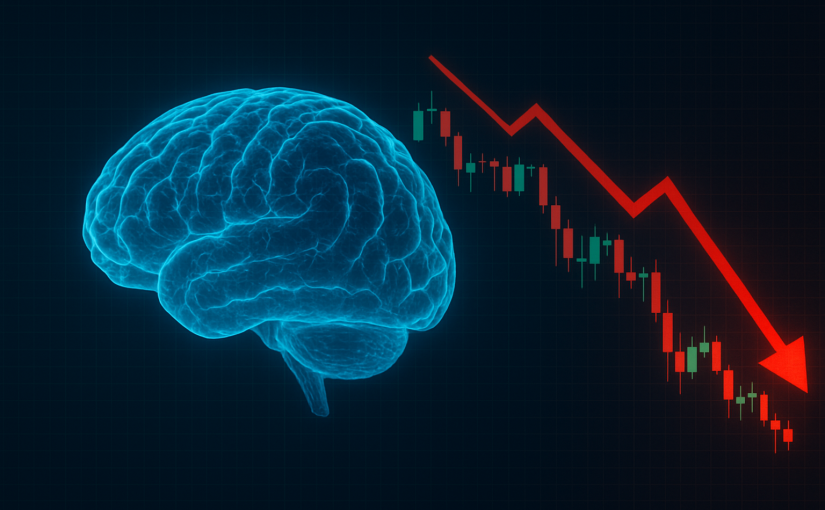
In the world of trading, success often hinges not on strategies or indicators, but on what’s happening inside your brain. The dopamine-driven highs and lows that come with wins and losses can hijack your decision-making process — leading to blown accounts, emotional trades, and impulsive risks.
At Monevis, we’ve seen it all — traders with excellent technical skills but poor emotional control. That’s why understanding the dopamine trap is crucial if you’re serious about long-term profitability as a trader.
What Is the Dopamine Trap in Trading?
Dopamine is the brain’s reward chemical. It’s what makes you feel good after a win — but it’s also what drives you to chase losses, overtrade, and abandon your plan.
Here’s how it usually plays out:
- ✅ A winning trade triggers a dopamine spike.
- ⚡ That “rush” feels addictive, leading to more risk.
- ❌ A losing trade follows, and instead of reassessing, you revenge trade.
- 🔁 The cycle repeats, and your emotional rollercoaster drains both your account and your discipline.
Result? Most traders blow up their accounts, not because they lack skills — but because their brains are wired to crave short-term excitement over long-term results.
Why Most Traders Fail: Emotional vs. Rational Thinking
Most trading failures stem from being in a dopamine loop, where the focus shifts from systematic execution to emotional gratification.
📉 Studies show that emotional decision-making increases under stress — exactly what happens after a loss or even a big win.
You become:
- Overconfident after wins.
- Desperate after losses.
- Blind to your own trading plan.
Even experienced traders can fall victim to this. That’s why simulation funded trading programs, like those at Monevis, prioritize consistency over quick profits — because consistency is the true edge.
Rewiring Your Brain for Trading Success
To break the dopamine loop, you need to recondition your brain. Here’s how:
1. Follow a Rules-Based System
Trade based on logic, not emotion. Your strategy should include:
- Clear entry/exit rules
- Risk management limits
- A strict daily cap (wins or losses)
At Monevis, our simulated funded traders use structured strategies to meet payout criteria — emotional trading is the fastest way to disqualification.
2. Reward the Process, Not the Outcome
Train your brain to feel good about:
- Following your plan
- Taking a small loss with discipline
- Not overtrading
This is how elite traders develop emotional resilience.
3. Use Journaling to Spot Patterns
Write down how you feel before and after trades. Over time, you’ll spot emotional triggers and prevent reactive decisions.
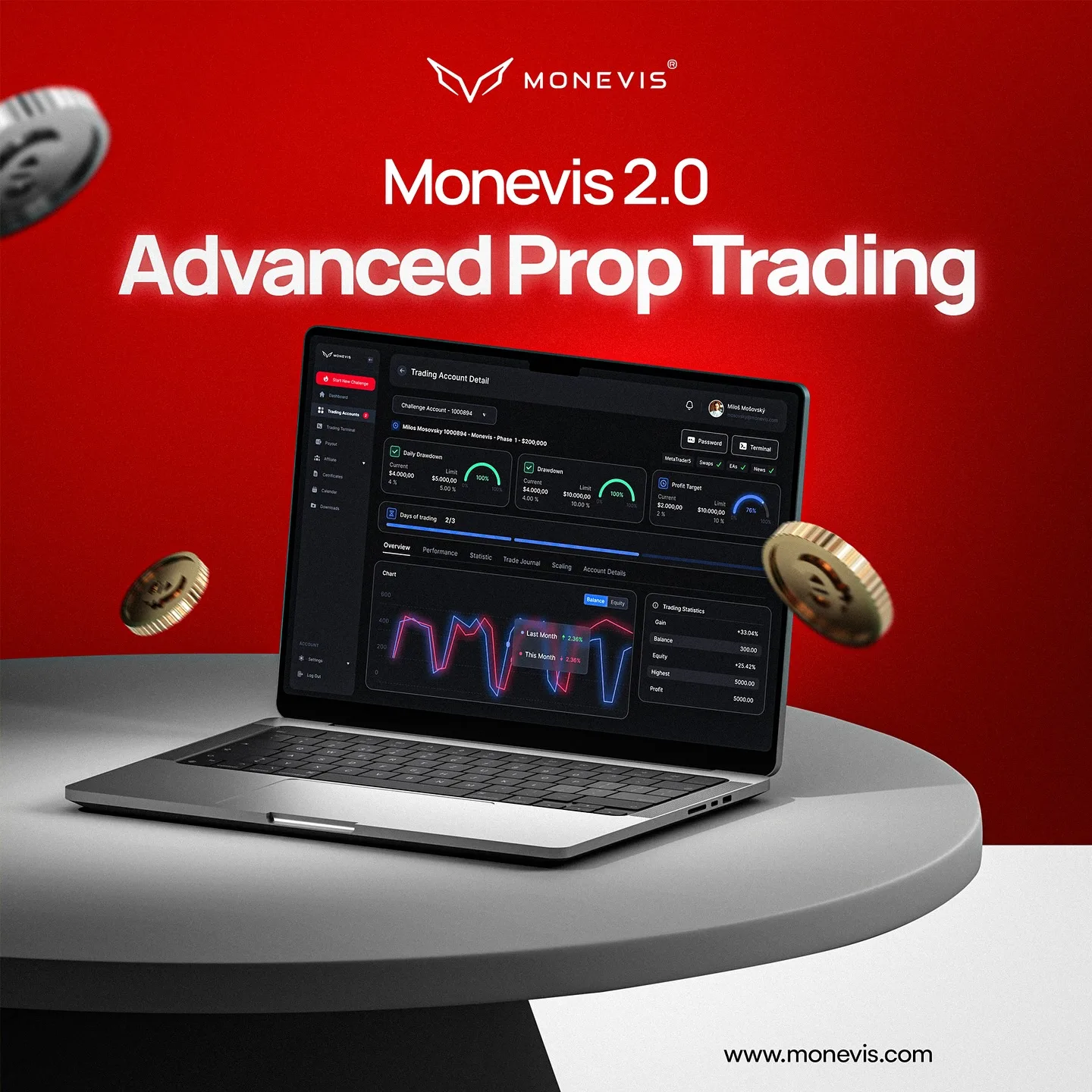
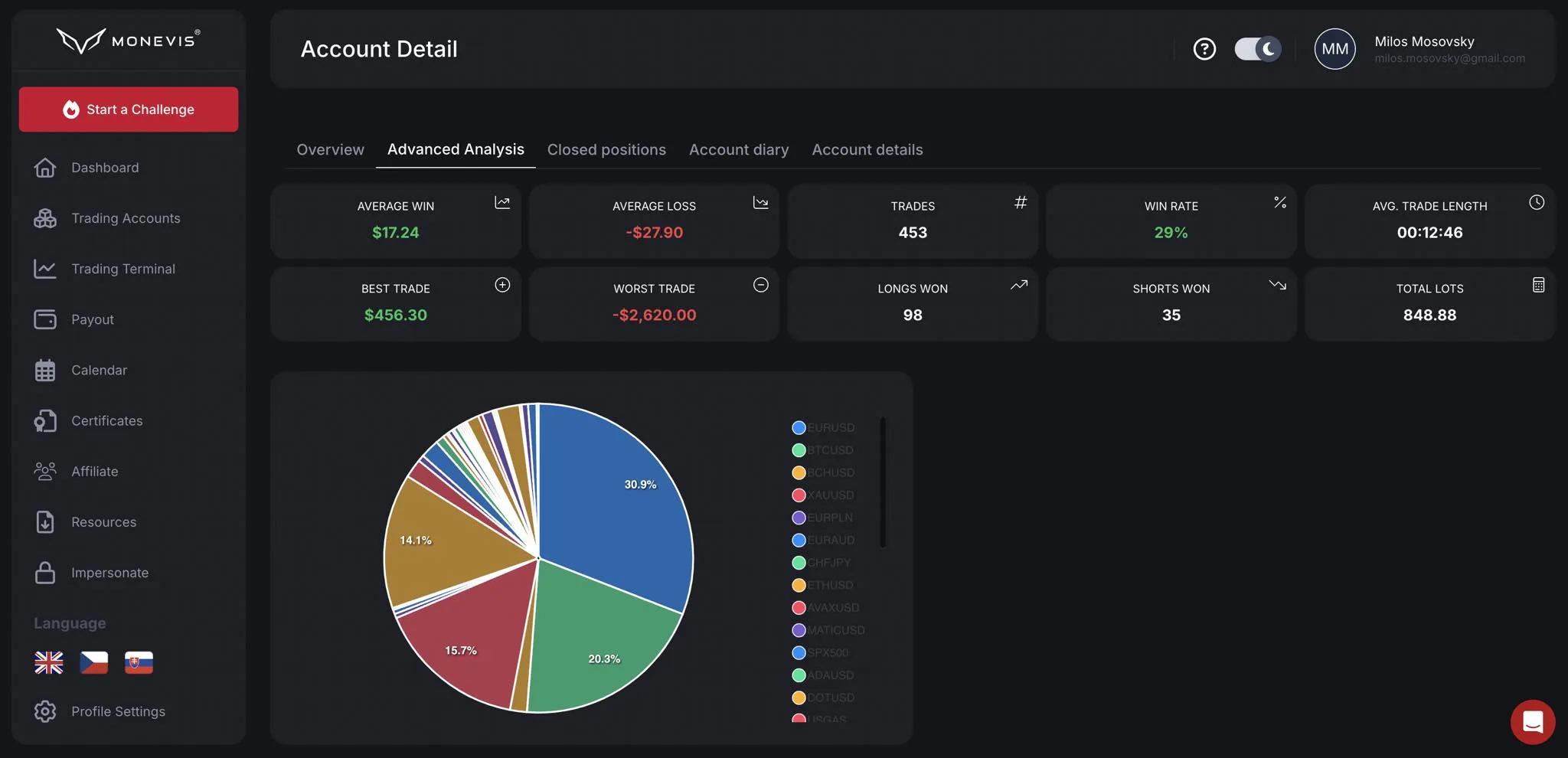
✅ Monevis provides funded traders with performance dashboards — helping them track not just results, but how they got there.
4. Implement Breaks & Mindfulness
Your brain wasn’t designed to handle constant market noise. Take breaks. Meditate. Disconnect.
Reducing the dopamine load from constant chart-watching can literally rewire your decision-making ability.
Why This Matters at Monevis
At Monevis, we don’t just fund traders — we build traders. Our evaluation model doesn’t reward gambling or luck. It rewards:
- Gestion des risques
- Patience
- Discipline
If you’re caught in the dopamine trap, no account size will save you. But if you rewire your brain for consistency, funded success is just a matter of time.
Réflexions finales
The dopamine trap is real — but so is the solution. Trading success isn’t about chasing the next high. It’s about building habits, routines, and mental models that lead to sustainable performance.
If you’re ready to take control of your mind and your trades, start your journey with a Monevis evaluation and prove your discipline in real market conditions.
👉 Explore our Funding Programs
HOT TIP : Libérez votre potentiel commercial avec Monevis®.
 French
  English
  Chinese
  Spanish
  Portuguese
  Russian
  Japanese
  Korean
  German
  Turkish
  Italian
  Czech
Czech  Slovak
  Polish
  Romanian
  Ukrainian