Termeni de tranzacționare de bază: Lot, Pips, EMA, Gap, Spread și Swap - Ce trebuie să știți pentru o tranzacționare de succes

Do you want to become a successful trader but aren’t sure where to start? In the world of trading, there are many terms that may seem confusing at first glance. That’s why we’ve prepared an overview of the most important ones to help you better understand how financial market trading works. In this article, we will focus on essential terms such as lot, pips, exponential moving average (EMA), gap, spread, and swap. These concepts are the building blocks for every trader, and understanding them will help you navigate trading more effectively and develop a profitable strategy.

Lot: Trade Size

A lot is the basic unit used to determine the size of a trade in the forex market. It represents the quantity of the currency being traded, and there are three main types of lots:

  1. Standard lot: 100,000 units of the base currency.
  2. Mini lot: 10,000 units of the base currency.
  3. Micro lot: 1,000 units of the base currency.

The lot size directly affects the profit and loss in a trade. The larger the lot you use, the greater the potential profit, but also the higher the risk of loss.

Pips: Price Movement

A pip, short for “percentage in point,” represents the smallest price change in the forex market. It is typically the fourth decimal place in a currency pair’s exchange rate (e.g., 0.0001). For some currency pairs, like USD/JPY, a pip is at the second decimal place (e.g., 0.01).

Pips are crucial for calculating the profit or loss of a trade. For instance, if the price of the EUR/USD currency pair rises from 1.1000 to 1.1020, it means a movement of 20 pips.

Exponential Moving Average (EMA): A Tool for Tracking Trends

The Moving Average is one of the most widely used indicators in technical analysis. There are several types of moving averages, and one of the most well-known is the Exponential Moving Average (EMA), which gives more weight to recent data.

EMA helps traders identify market trends—when the price stays above the EMA, it could indicate an uptrend, while if the price remains below the EMA, it may suggest a downtrend. EMA is often used for buy and sell signals, particularly when different timeframes of EMA cross over (e.g., EMA 50 and EMA 200).

Gap: Price Gap

A gap is a situation where the market’s opening price significantly differs from the closing price of the previous period. Gaps are most commonly seen when the market opens after the weekend or after a significant event that affects the market (e.g., the release of economic reports).

Gaps can offer valuable trading opportunities, but they can also be risky since unexpected price movements often occur. Proper understanding and management of gaps can help traders predict where the market might move next.

Spread: Trading Costs

The spread is the difference between the bid and ask prices of a currency pair. It represents the basic cost a trader pays to the broker for each trade. The spread can be fixed or variable, and its size varies depending on market liquidity and the chosen broker.

For instance, in the EUR/USD currency pair, the spread might be 1 pip, meaning the difference between the bid and ask price is 0.0001. The spread is one of the factors that affect trading profitability—the lower the spread, the lower the cost of opening and closing a position.

Swap: Interest Charges

A swap is an interest charge that is either credited or debited from a trader’s account for holding a position overnight. This charge results from the difference in interest rates between the currencies in the traded currency pair. The swap can either be positive (credited as profit) or negative (charged as a cost), depending on the direction of your position and the interest rates.

For example, if you hold a long position on a currency pair where the base currency has a higher interest rate than the quote currency, you may receive a positive swap. Conversely, if the interest rate is lower, the swap will be debited from your account.

Concluzie

Understanding basic terms like lot, pip, EMA, gap, spread, and swap is essential for successful trading in financial markets. These concepts help you better understand how trades work, the costs involved, and how to effectively analyze the market. With these tools, you can better manage risks and develop your own trading strategies that bring you closer to success.

Trading is about continuous learning and improvement, and understanding these terms gives you a solid foundation on which to build. In a prop trading firm like Monevis, this knowledge is key to making the most of the capital the firm provides and achieving maximum profits.
De ce fundamentele sunt esențiale pentru succesul în Forex: Ce înseamnă acestea și cum să le urmăriți

Fundamental analysis is a key component of successful trading and investing in the forex market. It monitors macroeconomic and microeconomic factors that affect currency values. Unlike technical analysis, which focuses on historical price movements, fundamental analysis evaluates the intrinsic value of assets and economic contexts, helping predict long-term trends.

Why Track Fundamentals?

Tracking fundamentals provides a deeper understanding of why prices are rising or falling. It’s not just about reacting to chart signals but understanding the real reasons behind currency movements. Monitoring fundamental factors allows traders to make more informed decisions, avoid losses from sudden market moves, and spot opportunities that might otherwise be missed.

What Do Individual Fundamentals Mean?

1. Gross Domestic Product (GDP)

GDP is a key indicator of a country’s economic growth. High GDP growth typically signals economic prosperity, which can increase the value of a national currency. Conversely, a GDP decline may indicate recession and weakening currency.

2. Inflation

Inflation measures the rise in prices of goods and services over time. When inflation rises, it often leads to higher interest rates as central banks seek to curb excessive spending. This can affect currency markets—rising inflation means a decrease in purchasing power, which may reduce the attractiveness of a currency.

3. Interest Rates

Interest rates are one of the most important fundamental indicators for forex markets. Higher rates can attract more foreign investors seeking higher returns, increasing demand for the currency and its value. Conversely, rate cuts may weaken the currency.

4. Unemployment

The unemployment rate is another key indicator of economic health. Low unemployment means the economy is functioning at a high level, boosting consumer confidence and supporting currency growth. High unemployment, on the other hand, may lead to reduced consumption and a weakening economy.

5. Payments and Trade Balance

The trade balance shows the difference between a country’s exports and imports. A trade surplus (more exports than imports) typically strengthens a currency, while a deficit weakens it. This factor is crucial for assessing economic performance in an international context.

6. Geopolitical Situation

Political stability or uncertainty has a major impact on the markets. For example, political crises, conflicts, or election uncertainty can destabilize an economy and weaken a currency. On the other hand, stability can enhance the attractiveness of investments in the region.

How to Incorporate Fundamentals into Strategy?

Fundamentals must be tracked regularly and combined with technical signals. Economic event calendars are important tools that provide an overview of upcoming news and its potential impact on the markets. Successful traders don’t wait for announcements—they prepare their positions in advance and analyze how the market may react to news.

Monitoring and understanding fundamental factors provides a deeper perspective and ensures decisions are not made solely based on short-term price fluctuations but with regard to the market’s long-term potential. Thus, fundamental analysis is essential for success as it helps identify value and growth potential, giving traders a competitive edge.

Concluzie

For successful forex trading, it’s essential to track and understand the fundamental factors that influence currency values. This analysis allows for better insight into why the market reacts the way it does and how best to use these reactions to your advantage. Do not underestimate the importance of fundamentals—incorporate them into your trading strategy to ensure your approach is as comprehensive and effective as possible.

Forex și alte piețe: Diferențele cheie pe care trebuie să le cunoașteți pentru a investi cu succes

Forex, commodities, indices, cryptocurrencies, CFDs… If you are just starting out in trading, these terms may seem like a confusing mix. Let’s take a closer look at these concepts so you can better understand what each market offers and what their unique characteristics are.

Forex: The Largest Global Financial Market

Forex (Foreign Exchange Market) is the market for currencies, where different currency pairs like EUR/USD or USD/JPY are traded. Forex is the largest and most liquid market in the world, with an average daily trading volume exceeding $6 trillion. The goal of Forex traders is to profit from fluctuations in exchange rates between currencies. Due to its high liquidity, transactions are executed very quickly, allowing for both short-term and long-term trading.

Commodities: Trading Essential Raw Materials

Commodities include essential raw materials crucial for the global economy, such as oil, gold, wheat, or silver. These markets are mainly driven by supply and demand—when there is a shortage of oil, its price usually rises. Trading commodities can be attractive to investors looking to hedge against inflation or respond to macroeconomic events, such as natural disasters or political conflicts that may affect the supply of these resources.

Indices: Tracking Market Performance

Indices represent a group of stocks and measure the performance of a specific market or sector. For example, the S&P 500 tracks the 500 largest publicly traded companies in the United States. Trading indices allows investors to speculate on the movement of an entire market, which can be less risky than trading individual stocks because it diversifies risk. Indices reflect investor sentiment and economic conditions in different regions.

Cryptocurrencies: The Digital Revolution

Cryptocurrencies are digital or virtual currencies that use cryptography to secure transactions. Bitcoin is the most well-known of them, but there are many others, such as Ethereum, Ripple, or Litecoin. Cryptocurrency markets are characterized by high volatility and are attractive to traders interested in fast and dramatic price changes. They are also independent of traditional financial institutions and represent a new approach to financial transactions.

CFDs: Trading Various Markets with a Single Instrument

CFDs (Contracts for Difference) are financial instruments that allow traders to speculate on the price movement of different assets (currencies, commodities, indices, cryptocurrencies) without owning the underlying asset. CFDs allow leveraged trading, meaning that with relatively little capital, you can control a larger position. While this can significantly increase potential profits, it also raises the risk of losses. CFD trading is popular due to its flexibility and the ability to speculate on both rising and falling markets.

Which Market Is Right for You?

When deciding which market to focus on, it is important to consider your strategy, risk tolerance, and knowledge of a particular market. Forex may be attractive to those who enjoy high liquidity and quick transactions, while commodities are ideal for investors who want to diversify their portfolios and protect against inflation. Cryptocurrencies appeal to more daring traders looking to take advantage of high volatility, while CFDs provide the opportunity to speculate across multiple markets using a single instrument.

Each of these markets has its unique advantages and risks, so it is essential to stay informed and carefully consider which one is right for you.

Lăcomia în tranzacționare: Inamicul unui trader de succes

Lăcomia în tranzacționare: Inamicul unui trader de succes

1. Introduction: Greed as a Natural Human Trait

Greed is one of the oldest human traits, and it can lead to reckless decisions, especially in situations involving money. In trading, greed can be particularly dangerous, as markets are volatile and constantly shifting. A trader who succumbs to greed risks losing not only money but also control over their strategy. Whether you’re a professional or a beginner, greed can be an invisible adversary undermining success. The goal of every trader should be to recognize and control this emotion, ensuring it doesn’t become an obstacle to long-term profitability.

2. How Greed Manifests in Trading

Greed often manifests in trading in several key ways, all of which can negatively impact trading results:

  • Holding positions for too long: When a trader opens a position and the market moves in their favor, greed can tempt them to hold the position longer than is safe. The hope of securing even bigger profits may backfire when the market reverses direction, turning gains into losses. For example, ignoring a predetermined exit point to chase higher profits can lead to the loss of both gains and, potentially, capital.
  • Overconfidence after a winning streak: Traders who experience several consecutive profitable trades may become overconfident, believing they have an “unbeatable” strategy. This overconfidence often leads to reckless increases in trade size or abandoning the original trading plan altogether. The outcome is typically disastrous, as markets are unpredictable, and no strategy is infallible.
  • Neglecting risk management: Greedy traders often disregard the basic principles of risk management. They may add to losing trades, attempting to “rescue” a position, which is a major mistake. Instead of acknowledging the loss and closing the position, they continue to risk more of their capital.

3. The Negative Impact of Greed on Trading Performance

Long-term trading success depends not only on technical analysis and a solid strategy but also on psychological discipline. Greed is an emotion that can disrupt this balance. Here are some of the main consequences of greed:

  • Loss of discipline: Trading success lies in sticking to a plan. However, greed often causes traders to improvise, abandoning their strategy in favor of chasing immediate, higher profits. Ultimately, the loss of discipline leads to poor decisions, which can be irreparable.
  • Increased risk of losses: When traders ignore their plans and aim to maximize profits, they automatically increase their risk. For example, if a trader increases the size of their position beyond what was initially planned, even a minor market correction can wipe out a significant portion of their capital. By sticking to the original plan, traders could have secured stable, but reasonable, profits.
  • Psychological pressure and stress: Beyond financial losses, greed creates mental strain. A trader constantly chasing profits and refusing to close positions experiences stress that can negatively affect both physical and mental health. Trading should be as rational a process as possible, but under the influence of greed, it becomes an emotional rollercoaster that drains energy.

4. How to Avoid Greed in Trading

Greed can’t be entirely avoided, but it can be controlled. Here are some techniques to help traders manage their emotions and trade rationally:

  • Maintain discipline: The foundation of successful trading is strict adherence to a trading plan. When a trader has pre-set entry and exit points, they should stick to them, regardless of how tempting it might be to hold a position for longer. Respecting your strategy, even when the market looks enticing, is crucial.
  • Set realistic goals: Traders should have clear objectives for each trade – how much they are willing to risk and what profit they expect. Realistic and consistent goals ensure that trading isn’t just about chasing maximum profits but is a balanced activity with manageable risks.
  • Self-reflection and trade analysis: After each trading day or week, it’s helpful to review trades. Where did the trader make mistakes? What emotions were at play? Self-reflection is a key step in improving not only the technical aspects of trading but also emotional management.

5. Conclusion: Balancing Profit and Emotional Control

Successful traders understand that trading is about long-term stability, not quick riches. Greed can be tempting, but its consequences are often destructive. In trading, it’s essential to maintain control over emotions and make rational decisions. No matter the phase of the market, a trader who understands their limits and sets firm boundaries will ultimately succeed over time.

Riscuri asociate cu tranzacționarea Forex

Trading in the forex market can be exciting and potentially profitable, but it comes with its own set of risks. To trade successfully, it’s essential to understand and manage these risks effectively. Here’s an overview of the key risks involved in forex trading and some tips on how to mitigate them:

1. Volatility Risk

Description: The forex market is highly volatile, with currency prices fluctuating rapidly due to factors like economic events, political changes, or global crises. This can result in both significant gains and swift losses.
Tip: Use stop-loss orders to automatically close positions when the market moves against you, helping to limit potential losses in the event of unexpected price swings.

2. Leverage Risk

Description: Leverage allows you to control large positions with relatively small capital. While this can magnify profits, it also increases the risk of large losses. Even minor adverse movements can result in substantial financial damage.
Tip: Use leverage cautiously and ensure you never invest more than you can afford to lose. By using leverage wisely, you can better manage the risks associated with it.

3. Liquidity Risk

Description: Although the forex market is usually highly liquid, there are moments—especially during volatile periods or with less-traded currency pairs—where executing trades at your desired price can be difficult.
Tip: Stick to trading major currency pairs, which tend to have higher liquidity and narrower spreads, reducing the risks linked to insufficient liquidity.

4. Emotional Risk

Description: Trading can be mentally challenging, often triggering emotions like fear, greed, or frustration. These emotions can impair decision-making, leading to impulsive trades and losses.
Tip: Develop a clear trading plan with defined entry and exit rules. Stick to this plan, and practice emotional discipline to avoid making impulsive decisions driven by market fluctuations.

5. News and Event Risk

Description: External factors such as economic news and political events can drastically affect the forex market, sometimes causing rapid and dramatic price shifts.
Tip: Regularly monitor economic calendars and news that could influence the market. Develop a strategy for trading around key events to be prepared for any potential volatility.

6. System Risk

Description: Trading with ineffective or inaccurate systems can result in significant losses. It’s crucial to have a robust and reliable trading strategy.
Tip: Test your strategy using a demo account or historical data to evaluate its performance across different market conditions before applying it in live trades.

Concluzie

Forex trading offers many opportunities, but understanding and managing its risks is essential to long-term success. Always trade cautiously, invest only what you can afford to lose, and continue to educate yourself and refine your trading strategies. By planning carefully and maintaining discipline, you can minimize risks and improve your chances of success in the forex market.

Monevis: Călătoria către $200,000 în câștiguri

Monevis: The Journey to $200,000 in Payouts – What It Means for Our Traders

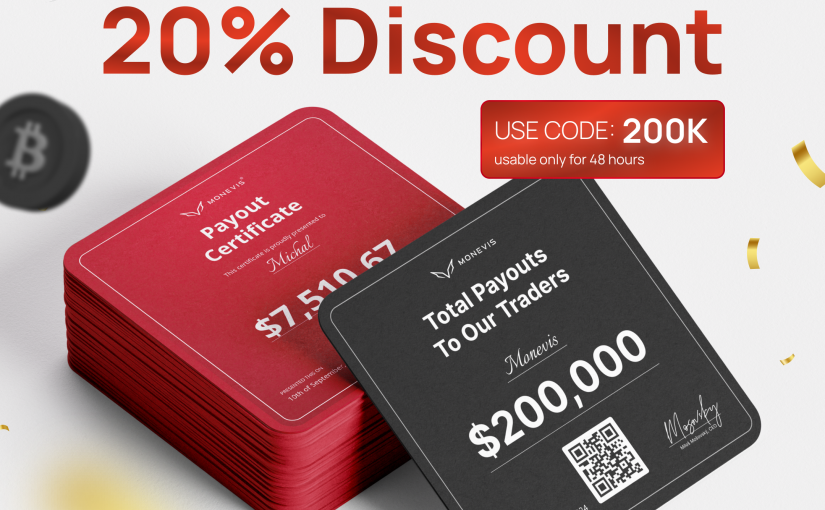
In the world of prop trading, every success of our traders is also a success for the entire company. Today, we are proud to announce that Monevis has reached a significant milestone: we have surpassed $200,000 in payouts to our traders. This milestone is not just a number – it reflects our collective effort, the trust our traders place in us, and our vision for the future.

From Vision to Reality – The Story of Monevis

As the name suggests, Monevis combines two key values – Money și Vision. When CEO Miloš Mošovský founded this company, he had a clear goal: to create a platform that not only provides traders with room to grow but also helps each individual fully realize their potential.

Thanks to our approach, Monevis quickly became a trusted partner for ambitious traders looking to make their mark in the financial markets. We have built a community where growth and improvement are not only encouraged but essential for achieving success.

$200,000 in Payouts: What Does This Mean for Our Traders?

This milestone is more than just a number. Behind every dollar we’ve paid out is a story – the story of traders who chose to believe in themselves, their skills, and our platform. Our firm is focused on ensuring that each trader has fair conditions for growth. Whether it’s through our flexible support or payout structure, we always prioritize the traders.

Reaching $200,000 in payouts is clear proof that our model works and that traders who work hard can achieve financial independence. For us, it’s not just about profit – it’s about growth and long-term success.

What’s Next for Us?

While we’re incredibly proud of this milestone, we know this is just the beginning. Our vision for Monevis extends far beyond $200,000. We plan to expand our services to equip our traders with even better tools and support for their growth. We aim to continue building a community that is not only successful but also inspiring to anyone entering the world of trading.

Why Do Traders Choose Monevis?

When we look at why traders are drawn to Monevis, the key factors are clear:

  1. Flexible Growth Conditions – Our traders have the opportunity to grow according to their abilities, without unnecessary limitations.
  2. Comunitate și sprijin – We are more than just a company; we are a community that supports its members at every step of their journey.
  3. Payouts – We emphasize fair and transparent payout terms, which is now reflected in the $200,000 milestone we have achieved together.

10 documentare despre tranzacționare pe care trebuie să le vizionați

As the chilly autumn evenings set in, it’s the perfect time to relax and immerse yourself in the world of film. If you’re interested in trading or want to learn more about the fascinating world of finance, we have a great list of movies for you. Each evening, you can enjoy a different trading film, and here are our top picks from Monevis. Get ready for thrilling stories, dramatic twists, and inspirational lessons.

1. Inside Job
This award-winning documentary directed by Charles Ferguson takes a detailed look at the causes and consequences of the 2008 financial crisis. “Inside Job” explores corruption and unethical practices in the banking sector and reveals how the financial elite sought to protect their interests at the expense of the public. The film offers an in-depth view of the systemic problems that led to the economic crisis and is essential viewing for anyone interested in finance.

2. Boiler Room
“Boiler Room” is a dramatic film that focuses on the world of aggressive trading and unethical practices within a brokerage firm. The main character, played by Giovanni Ribisi, is a young trader who gets caught up in the world of fraudulent trading, where stock prices are manipulated, and investors are deceived. The film provides an intense look at the moral dilemmas and pressures traders face in their pursuit of success.

3. Moneyball
While “Moneyball” doesn’t focus directly on trading, it showcases the power of data analysis and strategic thinking. The story follows a baseball team manager who uses analytical methods to improve his team’s performance. The film offers valuable lessons on utilizing data and analytics in decision-making, which can inspire traders and investors to adopt innovative approaches.

4. The China Hustle
The documentary “The China Hustle” reveals how some Chinese companies exploited American regulations and investors for fraud and financial manipulation. The film explores how these frauds harmed investors and how the loss of billions of dollars was made possible by lax oversight and inadequate regulation. This documentary provides an important look at how global financial markets can be vulnerable to fraudulent practices.

5. Margin Call
This star-studded 2011 film, featuring actors like Kevin Spacey and Jeremy Irons, takes place over 24 hours at an investment bank at the onset of the 2008 financial crisis. The story follows a young analyst, played by Zachary Quinto, who is the first to uncover an impending disaster that could bankrupt his bank. The film captures the bank’s efforts to offload toxic assets onto other investment banks, allowing the bank to survive but deepening the crisis on a larger scale. “Margin Call” is a tense and realistic portrayal of the crisis that rocked global markets.

6. Rogue Trader
“Rogue Trader” is based on true events and tells the story of Nick Leeson, who caused the collapse of the British Barings Bank in 1995. Ewan McGregor plays the lead role, showing how Leeson, using his arbitrage system, ignored risks and concealed massive losses. His decision to hold long positions and cover up losses led to a devastating downfall that brought one of the oldest British banks to the brink of collapse. This film is not only thrilling but also provides a valuable look at the consequences of unethical trading practices.

7. Owning Mahowny
“Owning Mahowny” is a dramatic film based on the true story of a bank fraudster with a gambling problem. The main character, a bank manager with access to millions of dollars, gets into deep trouble and commits the largest bank fraud in Canadian history. The film depicts not only his unethical actions but also the personal struggles and psychological impacts that led to his downfall. “Owning Mahowny” offers a fascinating look at how losing control and a desire for gambling can lead to incredible problems.

8. Enron: The Smartest Guys in the Room
This documentary is based on the 2003 book and analyzes one of the largest corruption scandals in American history. “Enron: The Smartest Guys in the Room” traces the rise and fall of the energy company Enron, which falsified accounting and engaged in unethical trading, leading to its collapse. The documentary is backed by testimonies from former employees and journalists, showing how large corporations can crumble due to corruption and fraud.

9. Trading Places
After a series of intense dramas, take a break with the comedy “Trading Places.” This 1983 film focuses on a role swap between a young commodities trader and a street hustler. Two wealthy millionaires enjoy an experiment where they switch the lives of these two men, leading to many comedic situations. “Trading Places” is a great way to have fun while also reflecting on social differences and the impact of money on individuals.

10. The Big Short
“The Big Short” provides a deep insight into the mortgage crisis of 2008. With a star-studded cast, including Christian Bale, Ryan Gosling, and Brad Pitt, the film tells the story of four investors who predicted and bet on the collapse of the mortgage market. The film vividly depicts how these individuals faced misunderstanding and stress while their bets on the financial crisis ultimately proved correct. “The Big Short” is not only dramatic but also informative, highlighting the importance of analytical thinking and belief in one’s strategies.

Concluzie
These films and documentaries offer not only great entertainment but also valuable lessons and insights into the world of trading and finance. Whether it’s dramatic stories of financial crises, analytical looks at trading strategies, or comedies about social differences, this list provides a wide range of stories and inspiration. Enjoy the autumn evenings with these fascinating films and gain new insights into trading and finance.

Cele mai frecvente greșeli în strategiile de tranzacționare Backtesting

Cele mai frecvente greșeli în strategiile de tranzacționare Backtesting

Backtesting-ul ar trebui să fie o parte esențială a dezvoltării unei strategii de tranzacționare eficiente pentru fiecare trader. Deși poate părea un proces simplu, există adesea greșeli care pot distorsiona rezultatele și pot duce la pierderi reale atunci când tranzacționați pe piețe.

Astăzi, vom explora greșelile pe care ar trebui să le evitați în backtesting pentru a vă asigura că strategia dvs. nu devine o capcană financiară pentru contul dvs. de tranzacționare.

Reguli de bază înainte de a începe backtesting-ul

Înainte de a începe, este esențial să stabiliți câteva reguli de bază. Backtesting-ul trebuie efectuat pe cel mai mare eșantion posibil de date istorice. De asemenea, este esențial să aveți un plan de tranzacționare predefinit și reguli clare de gestionare a riscurilor pe care le veți urma în timpul testării.

Diligența dă roade

La fel ca în cazul unui jurnal de tranzacționare, este important să înregistrați cu meticulozitate rezultatele testelor retrospective. După finalizarea testării, ar trebui să efectuați o analiză aprofundată care să vă ajute să optimizați parametrii cheie ai strategiei, cum ar fi raportul risc-recompensă (RRR), retragerea maximă și ratele de succes ale tranzacțiilor.

Greșeli frecvente în backtesting

  1. Utilizarea datelor viitoare: Una dintre principalele greșeli este utilizarea datelor care nu ar fi disponibile în timpul tranzacționării în timp real. Acest lucru poate duce la rezultate distorsionate, deoarece simulați decizii bazate pe informații care nu ar fi fost accesibile la momentul respectiv.
  2. Supraoptimizarea: O altă greșeală frecventă este încercarea de a ajusta strategia astfel încât aceasta să funcționeze perfect pe baza datelor istorice. Cu toate acestea, acest lucru conduce la o strategie "supraoptimizată" care ar putea să nu funcționeze într-un mediu de tranzacționare live.
  3. Ignorarea condițiilor reale ale pieței: În timp ce emoțiile nu vă influențează în timpul backtesting-ului, acestea joacă un rol semnificativ în tranzacționarea reală. Mulți traderi nu țin cont de costuri, spread-uri și alunecări, care pot afecta substanțial rezultatele finale.
  4. Moment nepotrivit: Se întâmplă adesea ca tranzacțiile profitabile din backtesting să fie executate în momente în care s-ar putea să nu fiți de fapt prezent pe piață. În plus, pot apărea mișcări semnificative ale pieței după publicarea unor date economice cheie, care ar putea să nu poată fi surprinse în tranzacționarea reală.
  5. Subestimarea dinamicii pieței: Piața este un organism viu care evoluează constant. Ceea ce a funcționat cu ani în urmă s-ar putea să nu mai funcționeze astăzi. Este esențial să luați în considerare acest factor și să vă adaptați testele la condițiile actuale ale pieței.

Concluzie

Atunci când este realizat corect, backtesting-ul poate deveni un instrument valoros în dezvoltarea unei strategii de tranzacționare solide care să vă convină și pe care să vă puteți baza. Cu toate acestea, rezultatele backtesting-ului nu trebuie supraestimate. Amintiți-vă, este un instrument care vă ajută să înțelegeți trecutul, dar nu prezice viitorul. Urmând procedurile adecvate și evitând greșelile menționate în acest articol, vă puteți crește semnificativ șansele de succes pe piețe. Tranzacționați cu înțelepciune!

Nu ai nevoie de perfecțiune pentru a fi un trader profitabil

Nu ai nevoie de perfecțiune pentru a fi un trader profitabil

Mulți traderi forex cred adesea că, pentru a obține profitabilitate pe termen lung, strategia lor trebuie să fie perfectă, inclusiv intrările și ieșirile perfect sincronizate. Cu toate acestea, în mod paradoxal, concentrarea prea mare asupra perfecțiunii poate duce la rezultatul exact opus.

Comercianții începători caută adesea așa-numitul "Sfântul Graal" - o strategie care garantează succesul 100%. Cu toate acestea, este larg recunoscut faptul că o astfel de strategie nu există. Problema cu care se confruntă mulți comercianți este că se străduiesc în permanență să creeze strategia ideală care va produce un număr maxim de tranzacții profitabile. Această abordare, însă, poate fi nu numai contraproductivă, ci și epuizantă din punct de vedere financiar.

Perfecțiunea poate fi un obstacol în calea succesului

Există o veche zicală care spune că "perfecțiunea este dușmanul binelui". Această frază subliniază faptul că lupta pentru perfecțiune poate fi inutilă și chiar dăunătoare, deoarece perfecțiunea absolută pur și simplu nu există. Acest principiu se aplică și tranzacționării. Încercarea de a ajusta o strategie până la perfecțiune duce adesea la frustrare și stagnare, deoarece piețele sunt dinamice și în continuă schimbare.

Mediul de tranzacționare este unic, iar mulți comercianți simt nevoia să dezvolte o strategie perfectă care să le permită să tranzacționeze fără emoții și să obțină randamente constante. Cu toate acestea, adevărul este că nu există o abordare perfectă a tranzacționării. Este imposibil să sincronizezi perfect fiecare tranzacție. Este important să acceptați că unele tranzacții vor fi pierderi și să vă reduceți așteptările de profit pentru a evita stresul inutil.

Optimizarea strategiei: Când să ne oprim?

Unii comercianți se concentrează atât de mult pe perfecțiune și pe ajustarea strategiei lor, încât ajung în cele din urmă să nu mai poată deschide nicio tranzacție. Strategia devine atât de supraoptimizată încât oferă foarte puține oportunități de tranzacționare. Restricționarea excesivă a numărului de tranzacții din cauza căutării perfecțiunii poate fi o greșeală. Dacă un trader vede câte tranzacții potențiale ar fi putut face, dar nu a făcut-o din cauza precauției excesive, acest lucru poate avea un impact negativ asupra mentalității sale.

Este important să ne amintim că până și o strategie care funcționează bine poate trece prin perioade de tranzacții cu pierderi multiple. Dacă un trader începe să se îndoiască de strategia sa și încearcă constant să o îmbunătățească, poate ajunge să o distrugă. În schimb, comercianții ar trebui să accepte tranzacțiile pierzătoare și să își reducă așteptările de profit pentru a evita stresul constant.

Paralizia cauzată de perfecționism

Chiar mai rău decât optimizarea excesivă este atunci când un trader își pierde încrederea în abilitățile sale din cauza câtorva tranzacții nereușite. Chiar dacă un trader are reguli bine stabilite și o bună gestionare a riscurilor, acesta se poate opri complet din tranzacționare din cauza câtorva experiențe negative. Această situație duce la o îndoială de sine inutilă și poate limita semnificativ activitatea de tranzacționare.

Pe de altă parte, nu este recomandabil să tranzacționați cu orice preț sau să vă grăbiți să tranzacționați fără o analiză atentă. Cheia este să găsiți un echilibru - să nu tranzacționați imprudent, dar nici să nu fiți paralizați de teama de imperfecțiune.

Succesul stă în consecvență

În loc să căutați perfecțiunea, concentrați-vă pe a fi consecvent și stabil. Dacă puteți obține succes în 5-6 tranzacții din zece și mențineți un RRR puțin peste 1:1, sunteți pe drumul cel bun. Dacă faceți una sau două tranzacții pe zi (în cazul tranzacțiilor intraday) sau câteva tranzacții pe săptămână (dacă sunteți un investitor pe termen lung), veți fi pe calea succesului.

Atunci când încetați să mai căutați perfecțiunea, veți gestiona mai bine tranzacțiile pierzătoare și le veți aborda ca pe niște lecții din care să învățați. Această abordare va duce la o tranzacționare mai echilibrată și la o mai mare satisfacție, nu numai pe piețe, ci și în viața personală.

Tranzacționați cu înțelepciune și amintiți-vă că a fi bun la tranzacționare este mai mult decât suficient. Rămâneți pe partea sigură!

Mindfulness și tranzacționarea: Stăpânește-ți mentalitatea cu Monevis


Mindfulness și tranzacționarea: Stăpânește-ți mentalitatea cu Monevis

La Monevis, înțelegem că succesul în tranzacționare merge dincolo de simpla cunoaștere a piețelor; acesta implică stăpânirea răspunsurilor mentale și emoționale. Mindfulness, sau practica de a fi pe deplin prezent și conștient, joacă un rol crucial în acest sens. În acest blog, vom explora modul în care mindfulness vă poate transforma mentalitatea de tranzacționare și vă vom oferi sfaturi practice pentru a obține un control mai mare asupra emoțiilor și deciziilor dvs. de tranzacționare.

Rolul mindfulness-ului în tranzacționare

Înțelegerea reacțiilor și a emoțiilor

Gândurile noastre declanșează adesea emoții, care, la rândul lor, afectează modul în care reacționăm la diferite situații. În tranzacționare, gândurile noastre pot conduce la emoții care ne influențează acțiunile, iar aceste acțiuni contribuie la rezultatele tranzacțiilor noastre. În timp, repetarea unor situații similare cu aceleași gânduri, emoții și acțiuni poate face ca aceste gânduri să pară fapte. Se creează astfel un ciclu în care gândurile și emoțiile automate ne determină comportamentul.

Ia o pauză și concentrează-te asupra ta

Este esențial să faci o pauză și să te concentrezi doar asupra ta. Întrebați-vă: Care sunt gândurile și ipotezele tale în timpul tranzacționării? Reflectați asupra celor mai bune și a celor mai slabe tranzacții - care au fost gândurile dvs. inițiale? Cum s-au schimbat acestea pe parcursul procesului? Cum v-au influențat emoțiile deciziile?

Observă-te pe tine însuți

Pentru a avea succes, trebuie să învățați să vă observați continuu reacțiile la anumite circumstanțe. Nu trebuie întotdeauna să reacționați imediat. Adesea, cea mai bună abordare este să faceți un pas înapoi, să respirați adânc și să observați situația cu mintea limpede.

Contestați presupunerile dvs.

Renunțați la presupunerile de care v-ați agățat anterior. Evitați să proiectați aceste gânduri asupra pieței. Veți realiza rapid că aceste gânduri și presupuneri nu vă definesc; în schimb, sunteți definit de modul în care răspundeți la ele. Eliberați-vă de influența lor.

Conștientizarea de sine și autocontrolul

Înțelegerea declanșatorilor emoțiilor dvs. este cunoscută sub numele de autocunoaștere. Capacitatea de a gestiona aceste declanșări se numește autocontrol. Un trader care excelează în aceste abilități se poate opri, se poate concentra asupra gândurilor și sentimentelor sale și le poate analiza. El își recunoaște reacțiile instinctive și monitorizează în permanență modul în care gândurile și sentimentele îi influențează acțiunile. Înainte de a lua decizii importante, poate să facă un pas înapoi și să privească situația dintr-o perspectivă mai largă pentru a alege cea mai bună cale de acțiune.

Reglează-ți emoțiile

Acordați atenție emoțiilor dvs. și lucrați la reglarea lor. Recunoașteți că niciun gând și nicio emoție nu vă definesc cine sunteți. Separă-te de presupunerile, gândurile și emoțiile tale și devino un observator al acestora.

Cultivați abilitățile de observare

Dezvoltarea abilității de a vă observa starea mentală și emoțională este esențială pentru realizarea unei schimbări autentice. Această abilitate distinge comercianții buni de cei mari.

Reconstruiește-ți mentalitatea

Recunoașterea faptului că tu și gândurile tale nu sunteți la fel îți permite să îți reorganizezi mentalitatea într-un mod care ți se potrivește cel mai bine. Această realizare deține o putere semnificativă și este singura modalitate de a obține schimbarea pe care o căutați.

Când faceți un pas înapoi și priviți situațiile mai obiectiv, deveniți mult mai puternici. Eliberați-vă de presupunerile înrădăcinate. Identificați-le, recunoașteți-le și înlăturați-le. Reconstruiți-vă mentalitatea pentru a vă alinia cu obiectivele și strategiile dumneavoastră.

Perspectiva neuroștiinței

În neuroștiințe, se spune că de fapt nu vedem realitatea așa cum este; creierul nostru adună date de la simțuri și creează o simulare virtuală. Această simulare modelează modul în care percepem lumea, inclusiv piețele. Fiți amabil cu dumneavoastră și creați-vă un mediu mental cât mai favorabil. Crede în tine, încurajează-te și fii cel mai bun prieten al tău și fanul tău numărul unu.

Gestionarea emoțiilor negative

Dacă observați că apar emoții negative sau prea intense, faceți un pas înapoi. Nu lăsați niciun gând sau emoție temporară să vă afecteze obiectivele pe termen lung. Aveți încredere că situația actuală vă va conduce acolo unde trebuie dacă mintea vă rămâne calmă și vă respectați planul și strategia.

Puterea unui jurnal de tranzacționare

Un jurnal de tranzacționare poate fi un instrument excelent pentru a vă ajuta în acest proces. Documentarea gândurilor și emoțiilor dvs. în timpul tranzacționării vă ajută să vă ancorați în moment și să vă înțelegeți mai bine procesele interne. Faceți înregistrări înainte de fiecare tranzacție, notându-vă sentimentele și evoluția evenimentelor. Căutați conexiuni între anumite situații, emoții, gânduri, acțiuni și rezultate.

Dacă acest lucru vi se pare dificil, luați în considerare posibilitatea de a apela la un antrenor de performanță care vă poate oferi îndrumare și sprijin suplimentar.

Prin încorporarea atenției și a autoobservării eficiente în rutina dvs. de tranzacționare, vă puteți îmbunătăți semnificativ performanța de tranzacționare și vă puteți atinge obiectivele financiare în mod mai constant.

ro_RORomanian