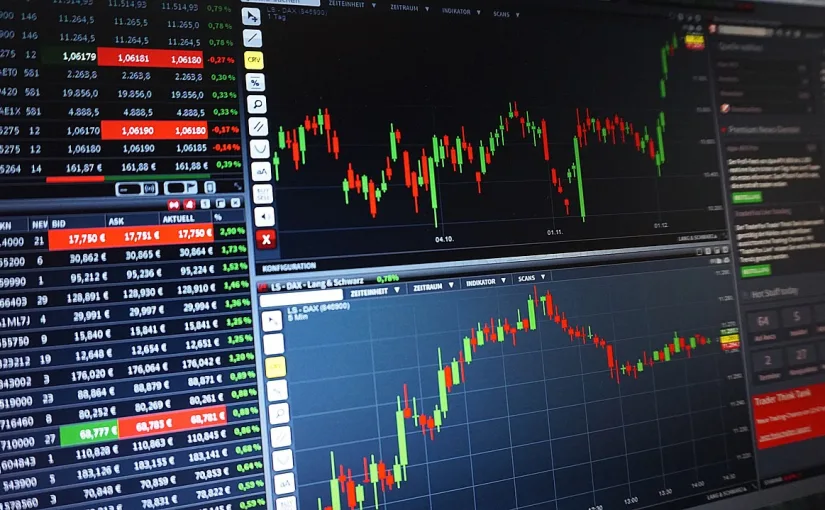
Forex trading offers the potential for substantial returns but also comes with significant risks. One of the most powerful tools available to traders is leverage. Leverage can amplify both profits and losses, and understanding how it works is crucial for anyone engaging in forex trading. In this blog, we’ll explore what leverage is, why it’s used, and the advantages and disadvantages associated with it.
What is Leverage?
In the context of forex trading, leverage refers to the ability to control a large position in the market with a relatively small amount of capital. It is essentially a loan provided by your broker, allowing you to trade with a larger position than your own capital would otherwise permit. For example, with a leverage ratio of 1:100, you can control a position worth 100,000 units with just 1,000 units of your own capital.
Why is Leverage Used?
Leverage is used for several reasons:
- Increased Profit Potential: Leverage allows traders to achieve larger profits with a smaller investment. If the market moves in your favor, leverage can significantly magnify your returns.
- Flexibility: It enables traders to deploy smaller amounts of capital to open larger positions. This can be advantageous if you want to diversify your investments or trade multiple currency pairs.
- Efficient Use of Capital: With leverage, traders can allocate their capital to multiple trades or investments, potentially improving portfolio optimization.
Advantages of Leverage
- Higher Profit Potential: Leverage can greatly enhance your
- profits if the market moves in your favor. For example, with 1:100 leverage, even a small market movement can result in substantial gains.
- Lower Entry Costs: Leverage reduces the amount of capital required to open a trade, making it easier to enter the market with a lower initial deposit.
- Diversification Opportunities: By using leverage, traders can open multiple positions simultaneously, which helps diversify risk and allows for trading a variety of currency pairs.
Disadvantages of Leverage
- Increased Risk of Losses: Leverage can also amplify losses. If the market moves against you, your losses can exceed your initial investment, potentially leading to rapid depletion of your capital.
- Psychological Pressure: Trading with high leverage can create stress and emotional pressure, which might impact your decision-making and lead to impulsive or ill-considered actions.
- Higher Maintenance Costs: Leveraged positions may incur additional costs, such as interest rates or fees for holding positions overnight. These costs can affect your overall profitability.
Conclusion
Leverage is a powerful tool in forex trading that can significantly impact your trading results. It is crucial to be aware of both the benefits and risks associated with leverage and to use it wisely and cautiously. Well-planned strategies, risk management, and a disciplined approach can help maximize the benefits of leverage while mitigating its potential drawbacks. Before utilizing leverage, carefully consider its impact on your trading and the amount of capital you are willing to risk.











 English
  Chinese
  Spanish
  Portuguese
  Russian
  Japanese
  Korean
  German
  French
  Turkish
  Italian
  Czech
Czech  Slovak
  Polish
  Romanian
  Ukrainian