What type of trader are you?

What Type of Trader Are You?

Before you start building your trading system, it’s crucial to decide what type of trader you want to be. Your personality and schedule play a key role in this decision.

Scalpers

Scalping is considered the most demanding approach to trading. Scalpers hold their positions for only a few minutes, sometimes just seconds. It requires maximum concentration throughout the trading session and can be mentally exhausting due to many small losses.

Why choose scalping? The two main reasons are returns and freedom. Scalpers have numerous trading opportunities each day and can trade according to their schedule without having to watch the market after the trading session ends.

Day Traders

Day traders are similar to scalpers, but they usually watch the market all day and hold their positions for several hours. Their approach is calmer, focusing on larger market moves. Although they generally do not hold positions overnight, they sometimes do to capture larger moves.

Swing Traders

Swing traders hold positions for several days to weeks. This style is popular among beginners because it doesn’t require much time for analysis. Swing trading requires patience, as you often wait several days for a suitable trading opportunity. Positions held for longer periods can cause stress due to significant price fluctuations.

Position Traders

Position traders, often called investors, hold their positions for weeks, months, or years, tracking long-term trends. This style requires significant capital and is more suitable for experienced traders.

Choosing the Right Market

The market you choose depends on the type of trader you are. Swing traders often trade on multiple markets simultaneously, while day traders focus on one or two markets. Each market has its specific characteristics and moves at different times. Thoroughly studying various markets and their movements is crucial for success.

Trading Capital

Trading capital is an important factor. You can have a great strategy, but without sufficient capital, it’s challenging to achieve significant profits. Monevis helps experienced traders with capital shortages by providing financial resources up to $400,000, if they pass the evaluation process.

Trading Strategies

Your trading strategy can be technical or fundamental. Technical analysis is popular among retail traders, while fundamental trading focuses on news and economic events. Discretionary trading relies on your judgment, while systematic trading is based on clearly defined rules.

Conclusion

Becoming a professional trader is not easy, but it is possible with enough determination and experience. Trading is a business like any other and requires a robust trading strategy, a trading journal, and constant market monitoring. Monevis is here to help you achieve your goals.

Understanding Leverage in Forex Trading: What It Means and Its Pros and Cons

Forex trading offers the potential for substantial returns but also comes with significant risks. One of the most powerful tools available to traders is leverage. Leverage can amplify both profits and losses, and understanding how it works is crucial for anyone engaging in forex trading. In this blog, we’ll explore what leverage is, why it’s used, and the advantages and disadvantages associated with it.

What is Leverage?

In the context of forex trading, leverage refers to the ability to control a large position in the market with a relatively small amount of capital. It is essentially a loan provided by your broker, allowing you to trade with a larger position than your own capital would otherwise permit. For example, with a leverage ratio of 1:100, you can control a position worth 100,000 units with just 1,000 units of your own capital.

Why is Leverage Used?

Leverage is used for several reasons:

  1. Increased Profit Potential: Leverage allows traders to achieve larger profits with a smaller investment. If the market moves in your favor, leverage can significantly magnify your returns.
  2. Flexibility: It enables traders to deploy smaller amounts of capital to open larger positions. This can be advantageous if you want to diversify your investments or trade multiple currency pairs.
  3. Efficient Use of Capital: With leverage, traders can allocate their capital to multiple trades or investments, potentially improving portfolio optimization.

Advantages of Leverage

  1. Higher Profit Potential: Leverage can greatly enhance your 
  2. profits if the market moves in your favor. For example, with 1:100 leverage, even a small market movement can result in substantial gains.
  3. Lower Entry Costs: Leverage reduces the amount of capital required to open a trade, making it easier to enter the market with a lower initial deposit.
  4. Diversification Opportunities: By using leverage, traders can open multiple positions simultaneously, which helps diversify risk and allows for trading a variety of currency pairs.

Disadvantages of Leverage

  1. Increased Risk of Losses: Leverage can also amplify losses. If the market moves against you, your losses can exceed your initial investment, potentially leading to rapid depletion of your capital.
  2. Psychological Pressure: Trading with high leverage can create stress and emotional pressure, which might impact your decision-making and lead to impulsive or ill-considered actions.
  3. Higher Maintenance Costs: Leveraged positions may incur additional costs, such as interest rates or fees for holding positions overnight. These costs can affect your overall profitability.

Conclusion

Leverage is a powerful tool in forex trading that can significantly impact your trading results. It is crucial to be aware of both the benefits and risks associated with leverage and to use it wisely and cautiously. Well-planned strategies, risk management, and a disciplined approach can help maximize the benefits of leverage while mitigating its potential drawbacks. Before utilizing leverage, carefully consider its impact on your trading and the amount of capital you are willing to risk.

The Evolution of Proprietary Trading: Inside Monevis’s Revolutionary Approach

In the ever-evolving landscape of proprietary trading, the importance of licensure and self-sufficiency cannot be overstated. Recent developments indicate a significant shift in the industry’s future, one that prioritizes regulatory compliance and technological autonomy.

At the forefront of this transition is Monevis, a proprietary trading firm that sets a benchmark in both regards. This article delves into the future of the prop trading industry, emphasizing the critical role of licensed operations and the impending challenges for firms operating without such credentials.

The Crucial Role of Licensure in Proprietary Trading

The proprietary trading industry has long been characterized by its dynamic nature and the diversity of its participants. However, not all firms operate on the same level of regulatory compliance, particularly concerning licensure.

The distinction between licensed and unlicensed operations has become increasingly significant, with regulatory bodies and service providers tightening their criteria for collaboration. A licensed firm like Monevis, which boasts a license from MQ, represents the gold standard in the industry.

Monevis: A Paradigm of Autonomy and Compliance

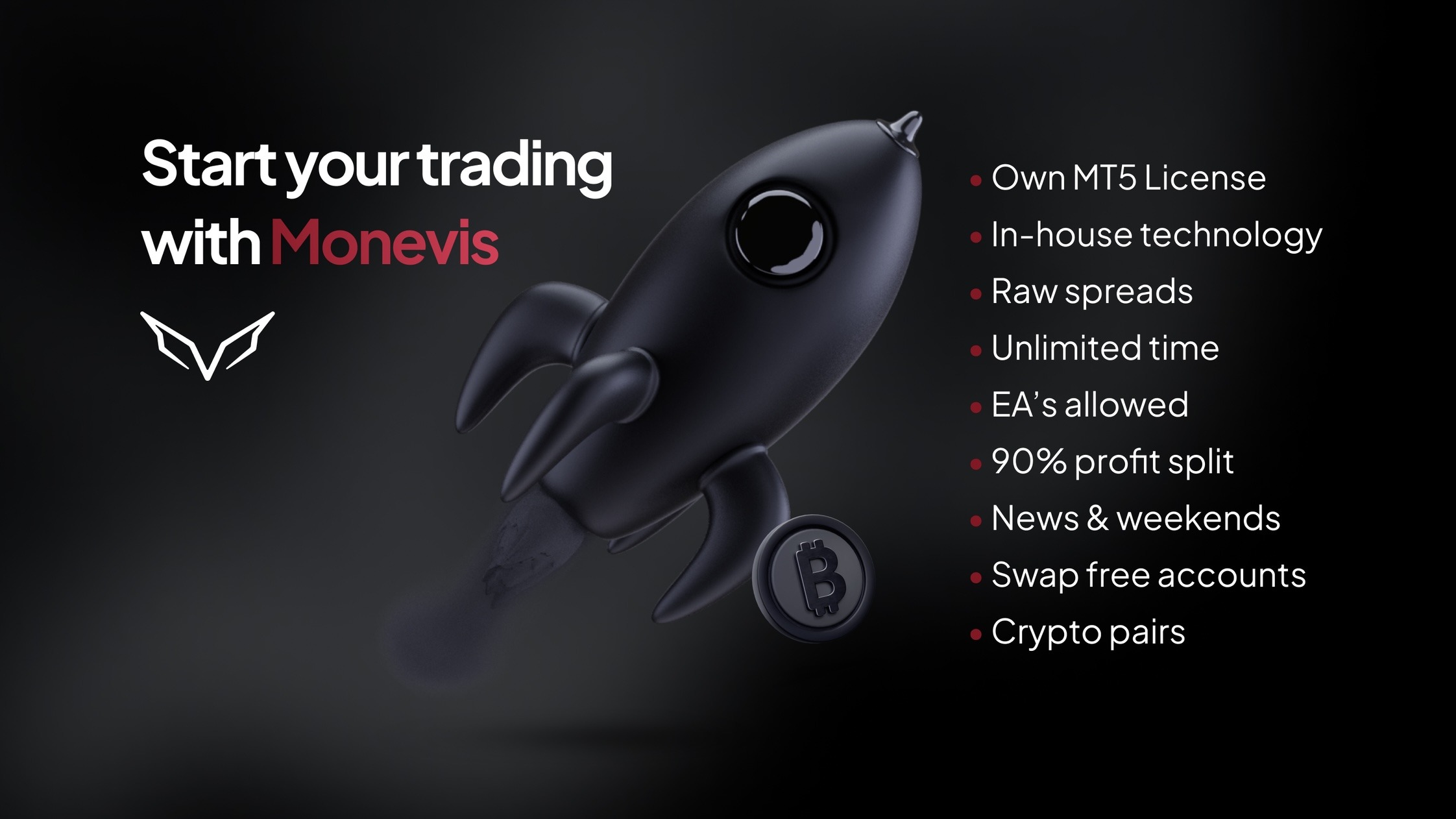
Monevis distinguishes itself by not only holding a MQ license but also by operating its own MetaTrader 5 (MT5) servers. This level of in-house technological infrastructure is noteworthy for several reasons. Firstly, it eliminates the reliance on third-party brokers, thereby reducing the risk associated with external dependencies.

Secondly, by not white-labeling its platform, Monevis retains complete control over its trading environment, enhancing security, stability, and performance. This autonomy in technology and infrastructure underscores Monevis’s pioneering approach in the prop trading domain.

Implications for the Prop Trading Industry

The implications of MQ decision extend beyond the immediate operational challenges for unlicensed firms. This policy shift signals a broader move towards greater transparency, security, and fairness in the prop trading industry.

For traders, it means engaging with firms that are not only committed to best practices in trading but are also recognized by leading technology providers for their compliance and infrastructure.

Licensed firms like Monevis are poised to lead this transition, offering a model that balances technological self-sufficiency with strict adherence to regulatory standards. As the industry moves forward, the emphasis on licensure and in-house technology infrastructure is expected to become the norm rather than the exception.

Conclusion

The future of the prop trading industry is on a course towards enhanced regulation, security, and technological independence. Firms that anticipate and adapt to these changes, prioritizing licensure and technological autonomy, will likely find themselves at the forefront of the industry’s evolution.

As the industry navigates this transition, the role of pioneering firms like Monevis becomes increasingly significant, guiding the way towards a more secure, transparent, and regulated trading environment.

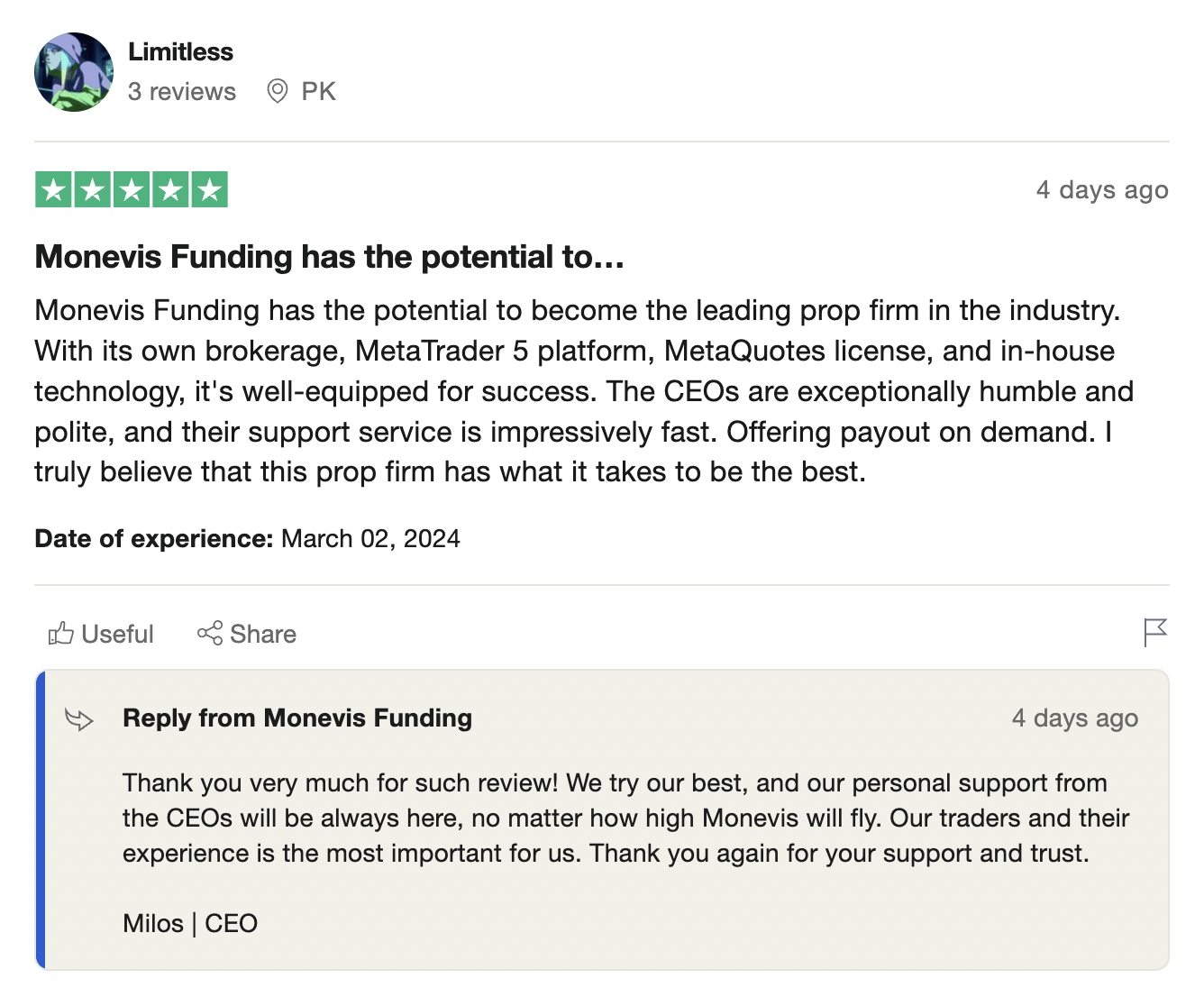
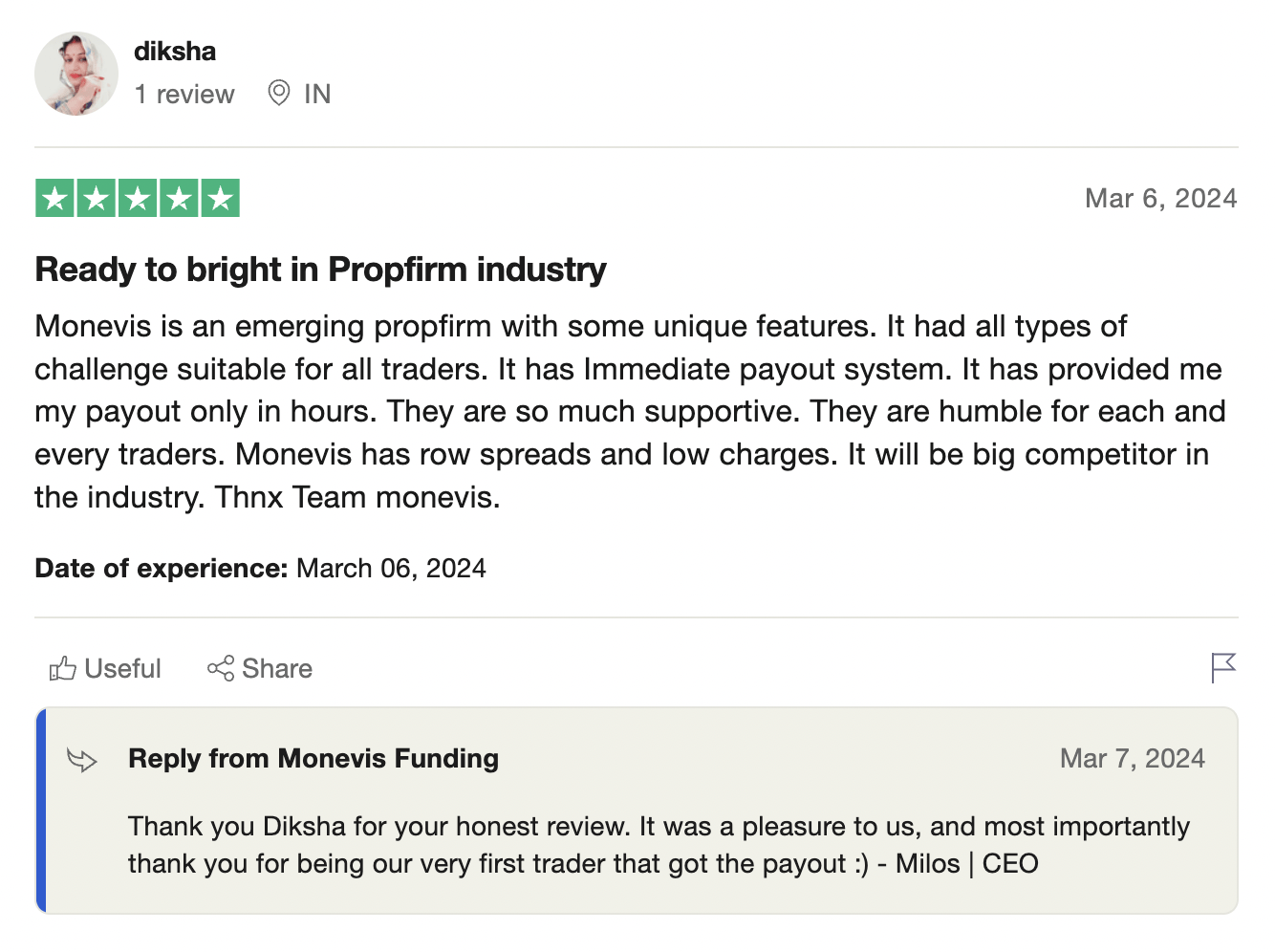
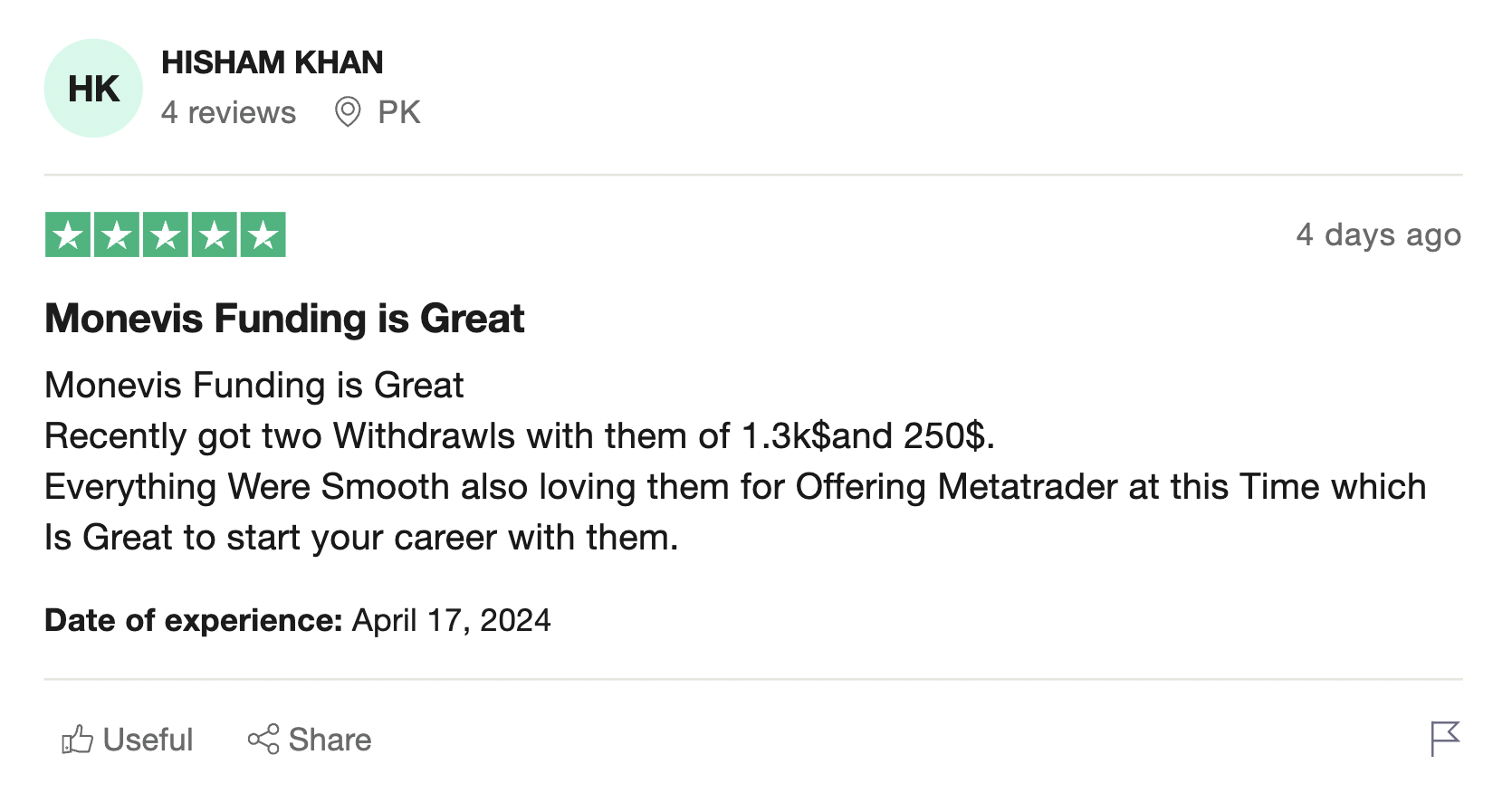
What Monevis’s Traders Say?
(Source: TrustPilot)

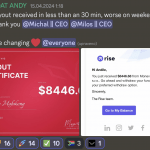
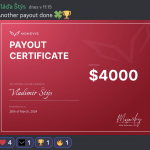
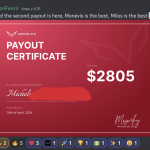
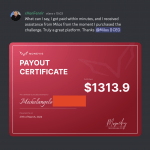
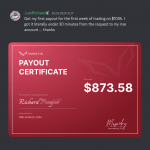
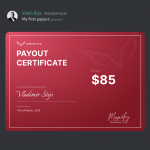
Some results of Monevis Traders

Try Monevis.com – the New MT5 Prop
Firm with own MQ License here >>

en_USEnglish